According to the World Heart Federation, 1 in 3 people are killed by heart disease, showing just how deeply cardiovascular disease affects lives around the world. Every year on September 29, World Heart Day brings global attention to this health challenge and encourages greater awareness of cardiovascular health.
In 2026, the World Heart Day campaign also continues under the message “Don’t Miss a Beat,” with a particular focus on recognizing signs and symptoms that can easily go unnoticed.
In this article, we’ll explore World Heart Day 2026, its history and purpose, this year’s campaign, and the key facts you should know.
What Is World Heart Day?
World Heart Day is a global awareness campaign focused on cardiovascular health and the impact of cardiovascular diseases. These include conditions such as coronary heart disease, heart failure, arrhythmias, and heart valve disease, as well as major cardiovascular events such as heart attack and stroke.
Led by the World Heart Federation, World Heart Day is observed every year on September 29 to raise awareness of cardiovascular risks, prevention, early recognition, and access to appropriate care. The day brings healthcare organizations, governments, health professionals, patients, and communities together to put heart health at the center of public discussion.
In 2026, World Heart Day will once again be observed on September 29.
The History of World Heart Day
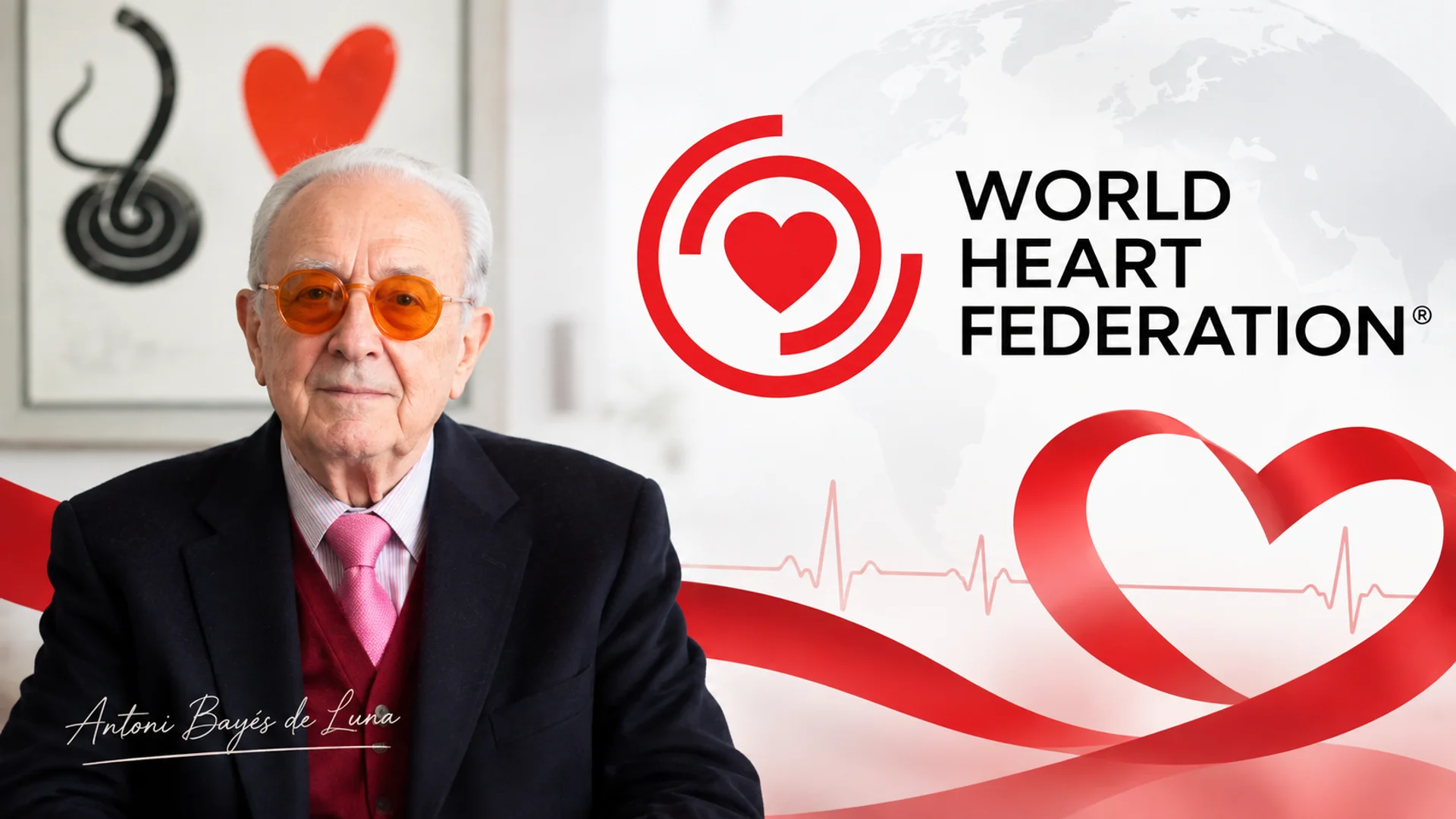
World Heart Day began with a simple idea: cardiovascular disease affected millions worldwide, but heart health needed a stronger place in the global conversation. In the late 1990s, cardiologist Antoni Bayés de Luna, then president of the World Heart Federation, proposed creating a dedicated international day to raise awareness and encourage action against cardiovascular disease.
With support from organizations including the World Health Organization, that idea became a global campaign, and the first official World Heart Day was celebrated in 2000. Its first slogan, “Let it Beat,” placed physical activity at the center of the message and connected with the spirit of the Sydney Olympic Games taking place that year.
World Heart Day did not begin with the September 29 date we recognize today. During its early years, it was observed on the last Sunday of September; therefore, the date changed from year to year.
As the campaign grew, its messages changed too, reflecting different aspects of cardiovascular health, from encouraging physical activity and understanding cardiovascular risk to creating heart-healthier environments and improving awareness and access to care. In 2011, September 29 became the fixed annual date, giving the campaign a consistent place on the international health calendar.
World Heart Day Key Facts and Statistics
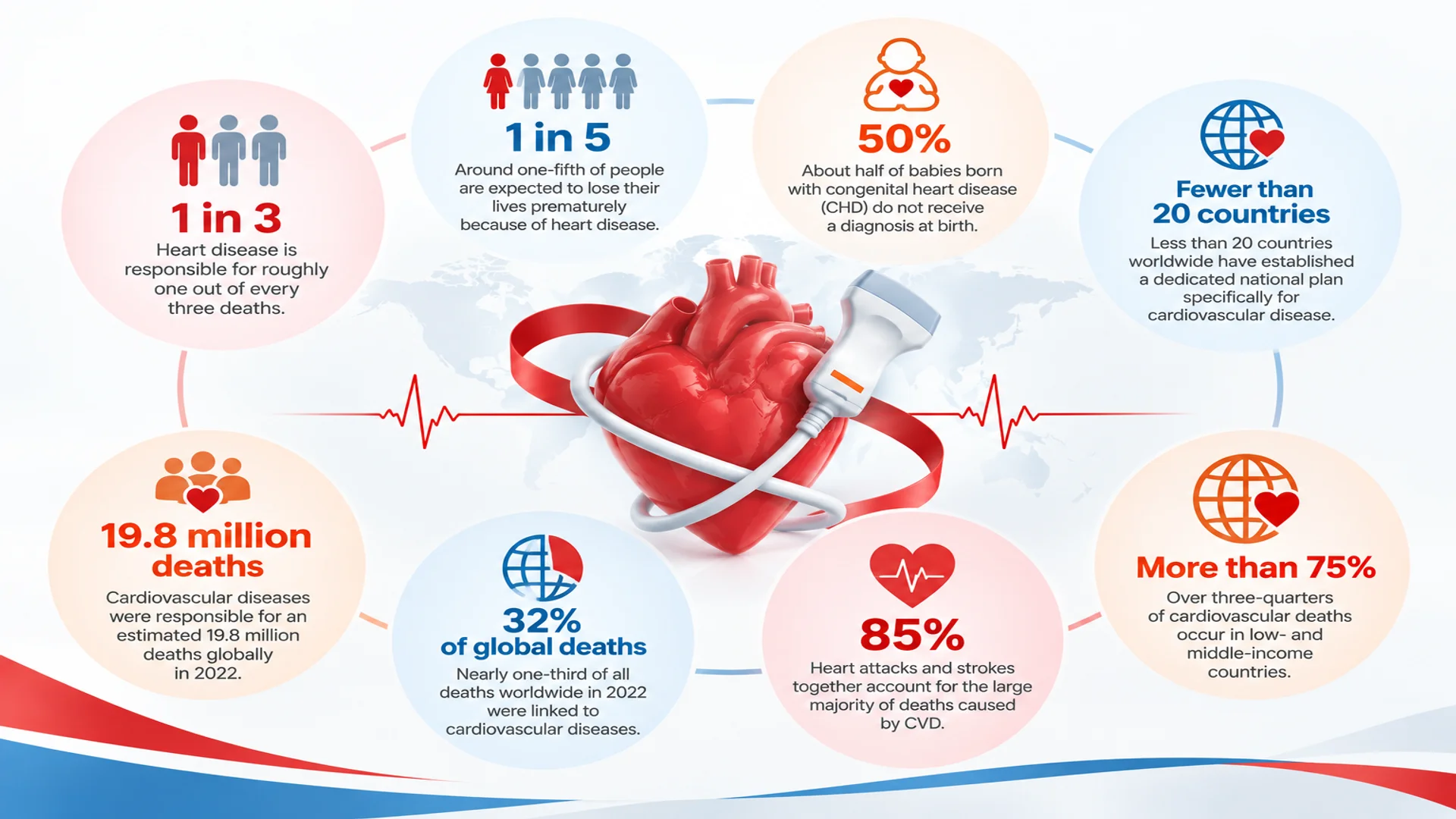
The numbers behind cardiovascular disease help explain why World Heart Day remains globally important. According to data highlighted by the World Heart Federation for World Heart Day 2026:
- 1 in 3 deaths: Heart disease is responsible for roughly one out of every three deaths.
- 1 in 5 people: Around one-fifth of people are expected to lose their lives prematurely because of heart disease.
- 50% of babies with CHD: About half of babies born with congenital heart disease (CHD) do not receive a diagnosis at birth.
- Fewer than 20 countries: Less than 20 countries worldwide have established a dedicated national plan specifically for cardiovascular disease.
- 19.8 million deaths: Cardiovascular diseases were responsible for an estimated 19.8 million deaths globally in 2022.
- 32% of global deaths: Nearly one-third of all deaths worldwide in 2022 were linked to cardiovascular diseases.
- 85% from heart attacks & strokes: Heart attacks and strokes together account for the large majority of deaths caused by CVD.
- More than 75% in LMICs: Over three-quarters of cardiovascular deaths occur in low- and middle-income countries.
Together, these figures show that cardiovascular disease is more than an individual health concern.
World Heart Day 2026 Theme: Don’t Miss a Beat
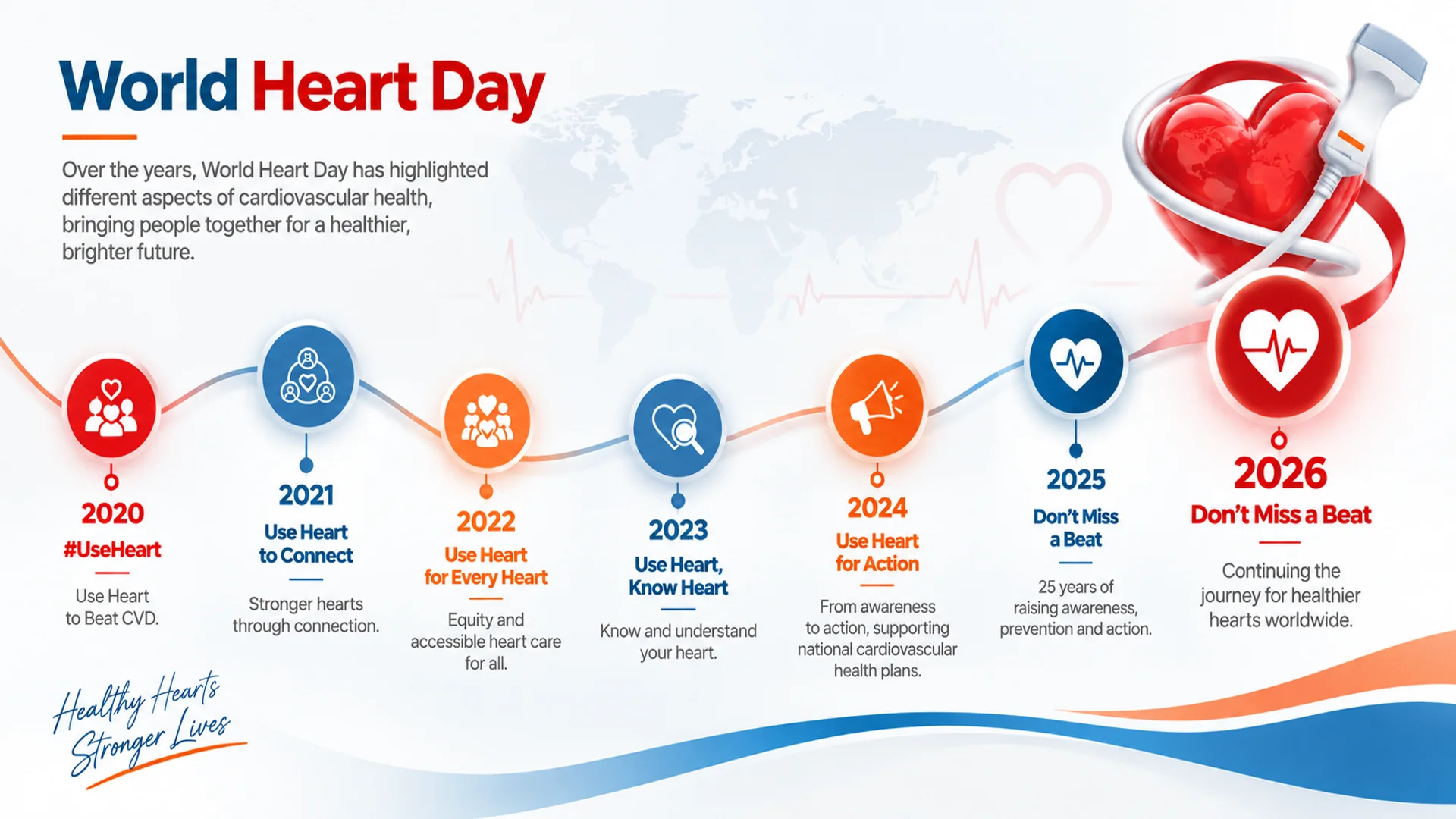
In recent years, World Heart Day has carried a different message each year. In 2020, #UseHeart encouraged greater awareness of heart health, followed by “Use Heart to Connect” in 2021 and “Use Heart for Every Heart” in 2022.
In 2023, the focus shifted to “Know Your Heart,” while 2024 called for “Use Heart for Action,” with stronger national cardiovascular health plans. In 2025, “Don’t Miss a Beat” marked the campaign’s 25th anniversary, emphasizing awareness, prevention, and access to care.
“Don’t Miss a Beat” continues in 2026, focusing on recognizing signs and symptoms of cardiovascular disease that may otherwise be overlooked. With the message “see the signs, protect your heart, and demand action,” the campaign connects personal awareness and prevention with better access to care and stronger cardiovascular health systems.
World Heart Day 2026 Activities Around the World
World Heart Day is recognized around the world through activities organized by hospitals, schools, universities, heart foundations, healthcare professionals, sports groups, and local organizations:
- Hospitals and health organizations: Cardiovascular screenings, awareness sessions, and professional events.
- Schools and universities: Educational programs, CPR training, walks, and sports activities.
- Local communities: Runs, cycling events, fundraising activities, and public awareness campaigns.
- Keep the Beat: A 2026 challenge encouraging people to move for 20 minutes a day throughout September.
- Heart Stories: Personal experiences shared to raise awareness and connect people affected by cardiovascular disease.
- Digital campaigns: Online activities and social media initiatives that help spread World Heart Day messages.
- Landmarks in red: Buildings and monuments illuminated in red on September 29 to mark World Heart Day.
Together, these activities allow communities to take part in World Heart Day 2026 in different ways while contributing to the same global goal of improving cardiovascular health.
Making Heart Health a Priority Beyond World Heart Day
As the figures above show, heart disease is responsible for roughly one in three deaths, making heart health far too important to think about only on September 29. World Heart Day may create a global moment for awareness, but caring for the heart is a lifelong commitment. Regular health checkups, a balanced diet, physical activity, avoiding smoking, and managing cardiovascular risk factors can all support better heart health and reduce the risk of heart attack, stroke, and other cardiovascular diseases.
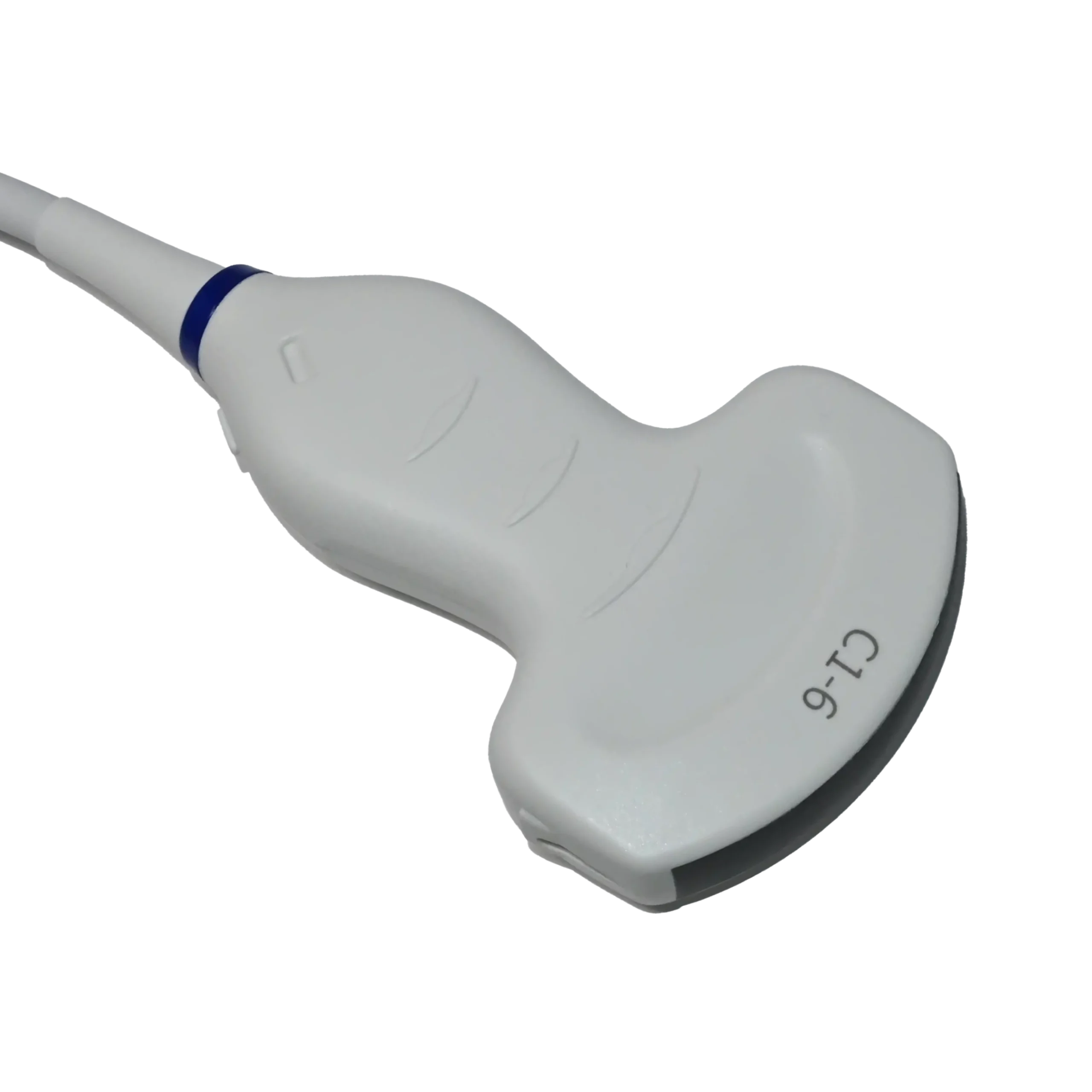
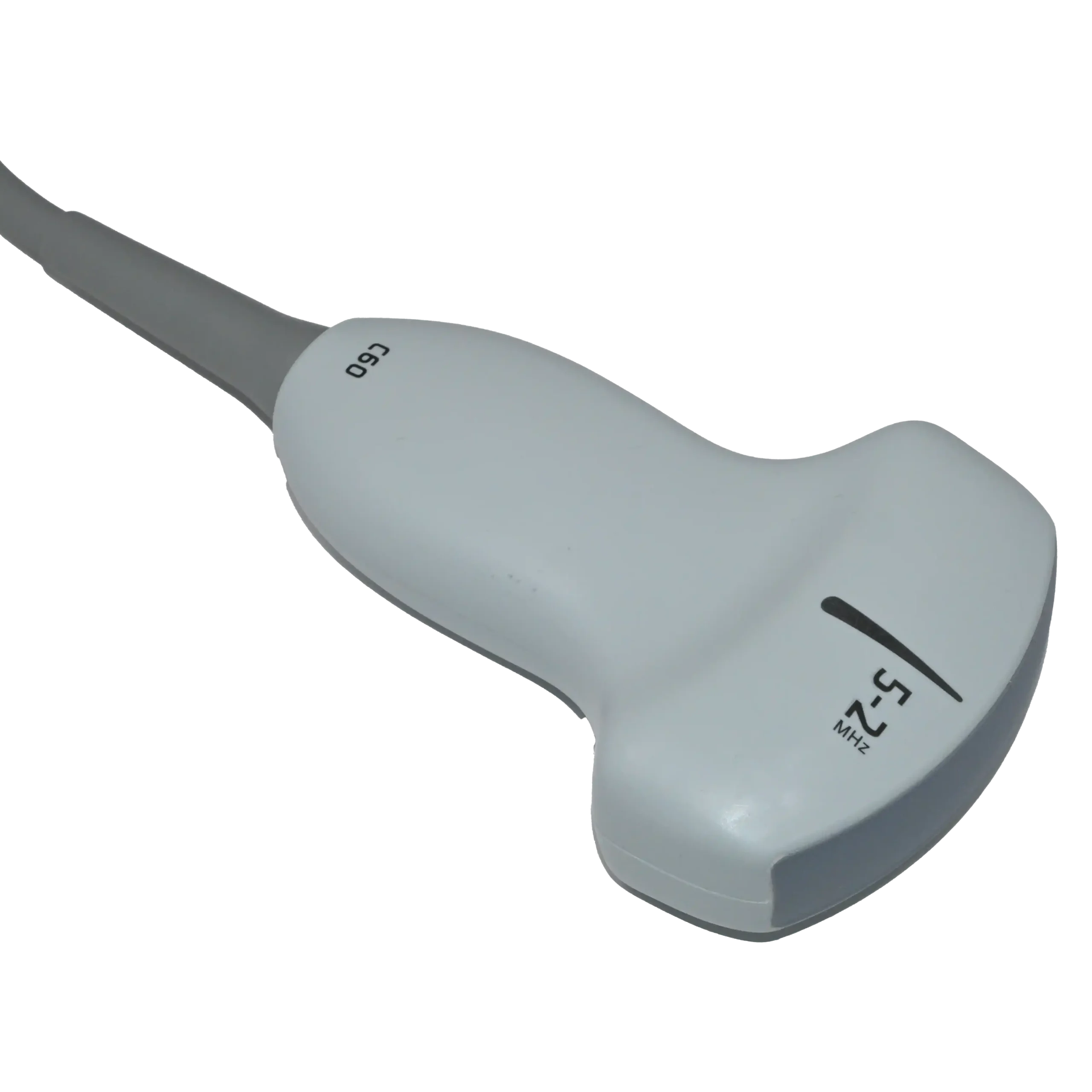
Reliable medical care is another important part of that picture, from early assessment to ongoing cardiovascular monitoring. At Elzhen, we support clinicians, hospitals, and healthcare facilities by providing refurbished ultrasound machines for cardiovascular examinations, refurbished cardiac ultrasound transducers, and other ultrasound solutions designed to support reliable imaging.
As World Heart Day reminds us each September, protecting the heart is not a one-day effort; it is something worth carrying forward throughout the year and across every stage of life.