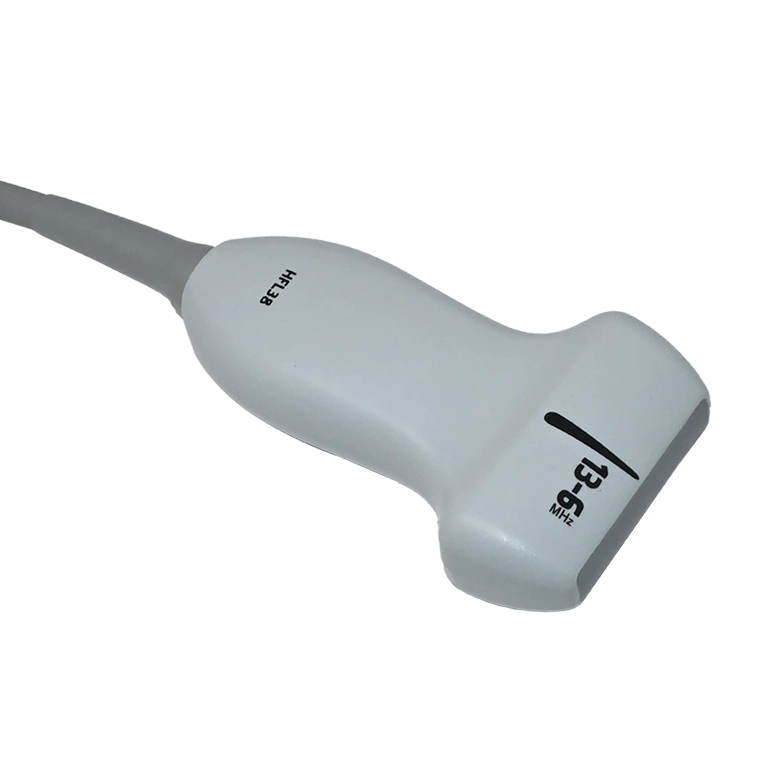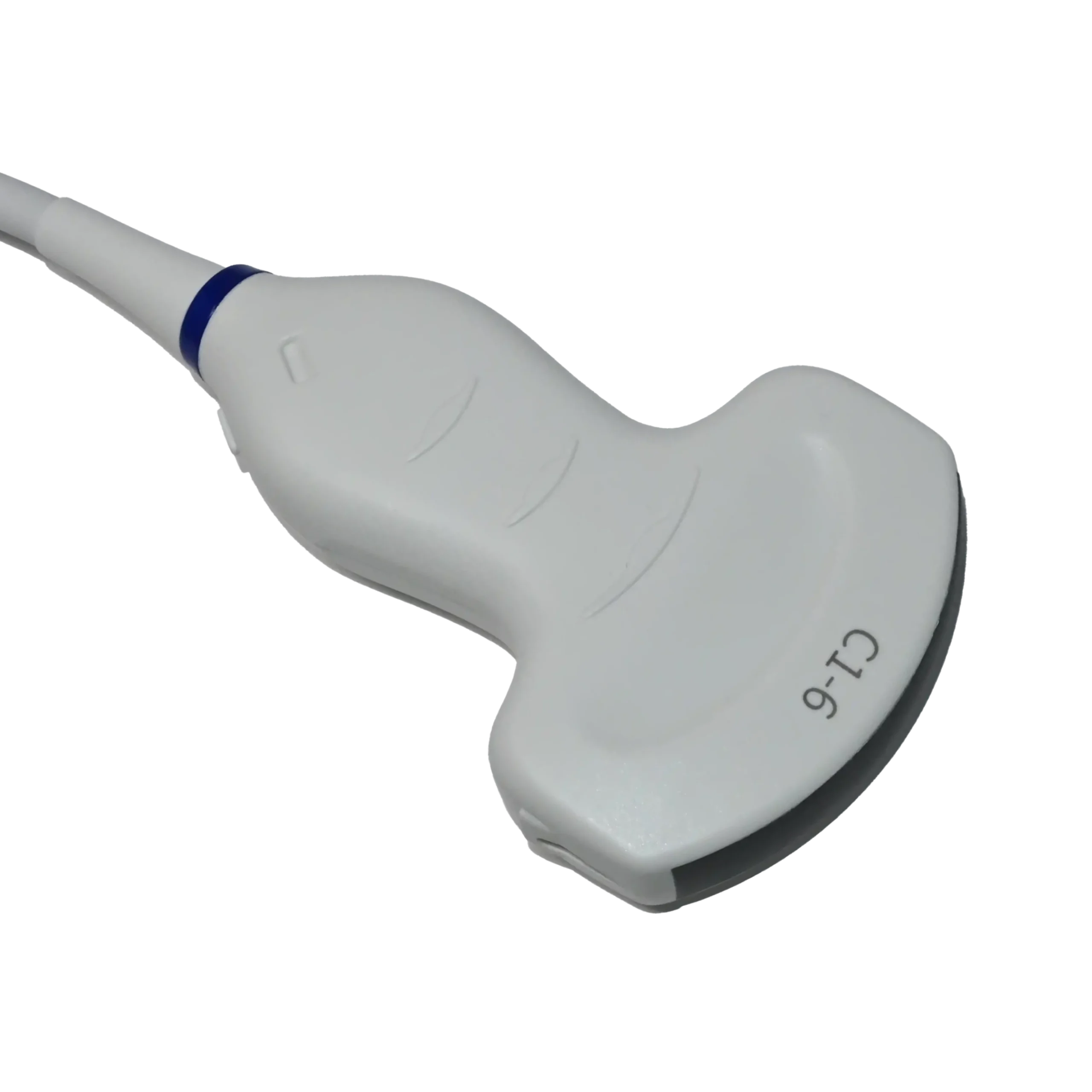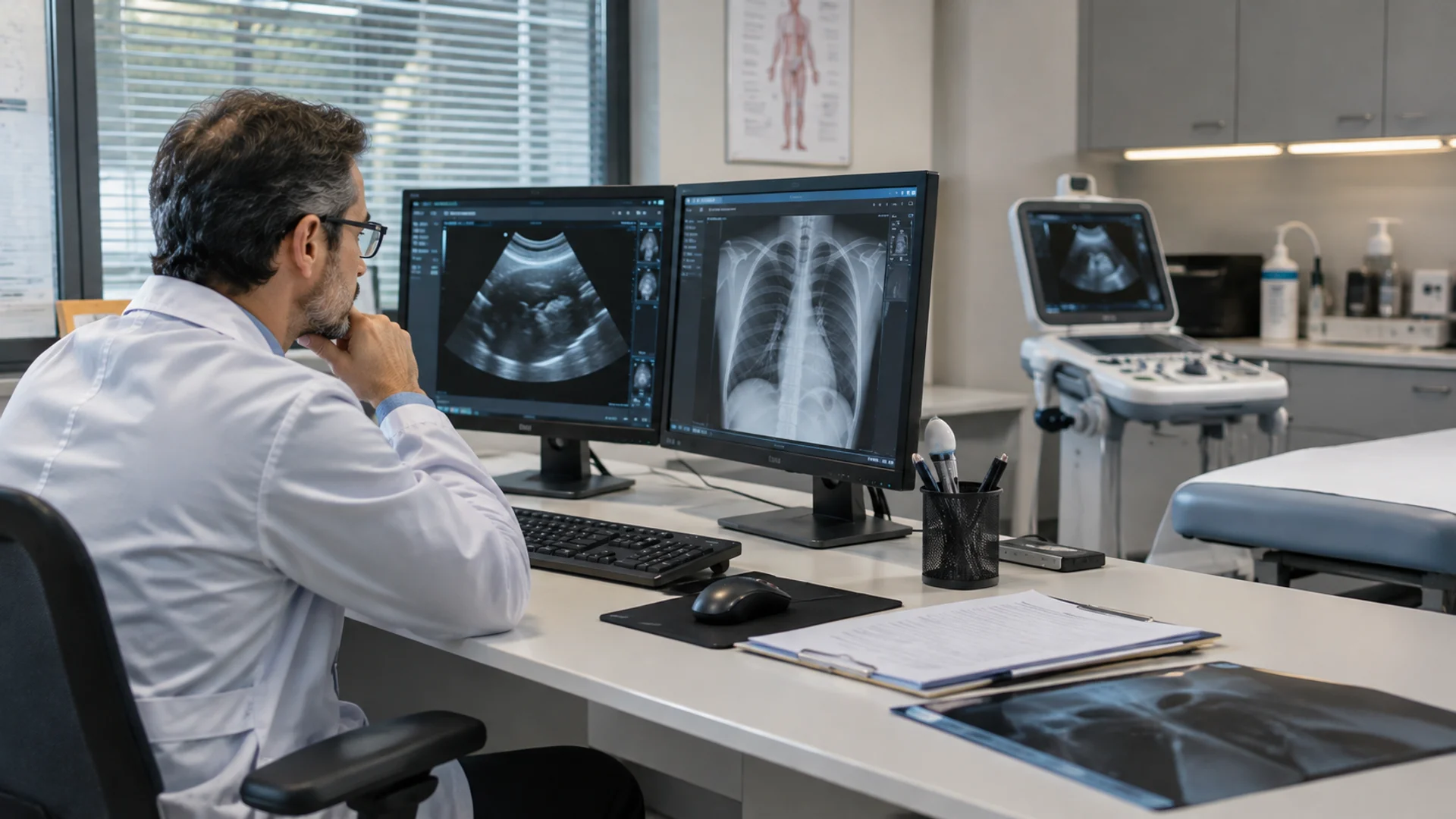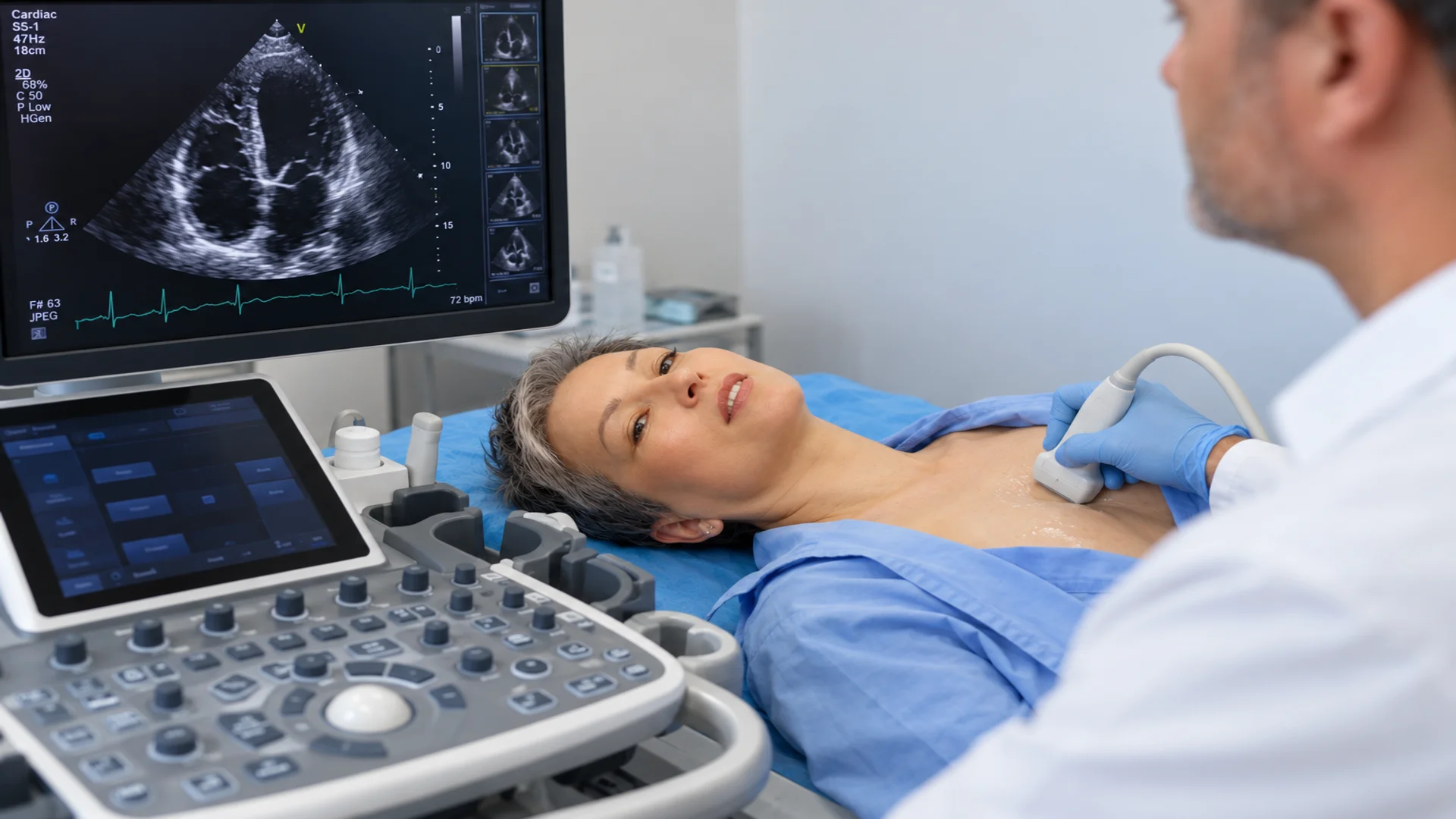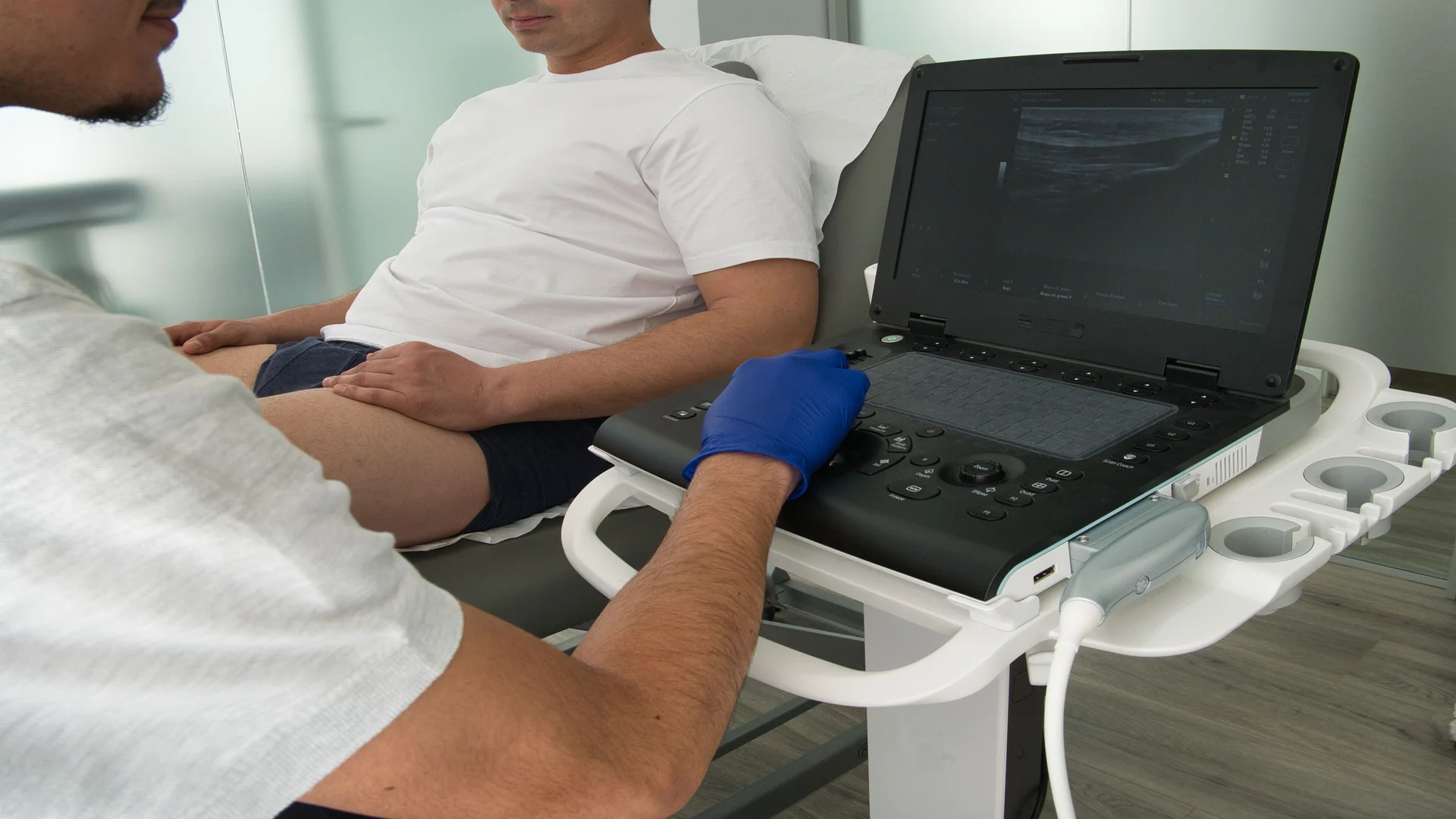
Looking for the best portable ultrasound machine for home use, a clinic, or a hospital? From wireless handheld scanners to laptop-style and cart-based systems, choosing the right device depends on your clinical needs, desired imaging capabilities, and budget.
This guide compares the best portable and handheld ultrasound machines in 2026, explores their key features, and highlights affordable options to help you choose the right system.
Best Portable Ultrasound Machines at a Glance
Here’s a look at 10 of the best portable ultrasound machines, bringing their key features and capabilities together in one place.
| Ultrasound machine | System type | Clinical applications | Key features | Elzhen availability |
| GE Vscan Air | Handheld | General imaging, cardiac, abdominal, vascular, MSK | Wireless scanning, dual-probe design, Color and PW Doppler | Refurbished |
| Philips Lumify | Handheld | General imaging, cardiac, abdominal, OB/GYN, vascular, MSK | Smart device connectivity, three probe options, DICOM sharing | Refurbished |
| Sonosite iViz | Handheld | General imaging, cardiac, abdominal, vascular, superficial imaging | 7-inch touchscreen, four transducer options, multiple imaging modes | Refurbished |
| Sonosite Edge II | Laptop-based | General imaging, MSK, vascular, emergency medicine | Touchscreen controls, two transducer ports, flexible mounting | Refurbished |
| Mindray M9 | Laptop-based | General imaging, cardiac, abdominal, vascular | 3T transducer technology, Echo Boost, iClear and iBeam | Refurbished |
| GE LOGIQ e | Laptop-based | General imaging, MSK, vascular, abdominal, emergency medicine | Compact design, multiple clinical applications, Doppler imaging | Refurbished |
| Mindray TE5 | Compact cart-based | Anesthesia, regional nerve blocks, MSK, interventional procedures | 15-inch touchscreen, iNeedle+, eSpacial Navi | Refurbished |
| Philips Affiniti 70 | Cart-based | General imaging, cardiac, vascular, abdominal, OB/GYN | PureWave transducers, AutoSCAN, SmartExam | Refurbished |
| GE Venue Go | Compact cart-based | POCUS, emergency medicine, cardiac, abdominal, MSK, vascular | Flexible mounting, up to 2 hours of active scanning, multiple probe connections | Refurbished |
| GE LOGIQ E10 | Cart-based | General imaging, abdominal, vascular, OB/GYN, elastography | cSound processing, Shear Wave Elastography, advanced blood-flow imaging | Refurbished |
Although the table above provides a quick overview of each model, we’ll take a closer look at their features and capabilities below, along with some of the best portable ultrasound options for home use.
Handheld vs. Laptop-based vs. Cart-based Ultrasound Machines: What’s the Difference?
A portable ultrasound, as its name suggests, is a type of ultrasound machine designed to make diagnostic imaging easier to perform across different locations, even for home use!
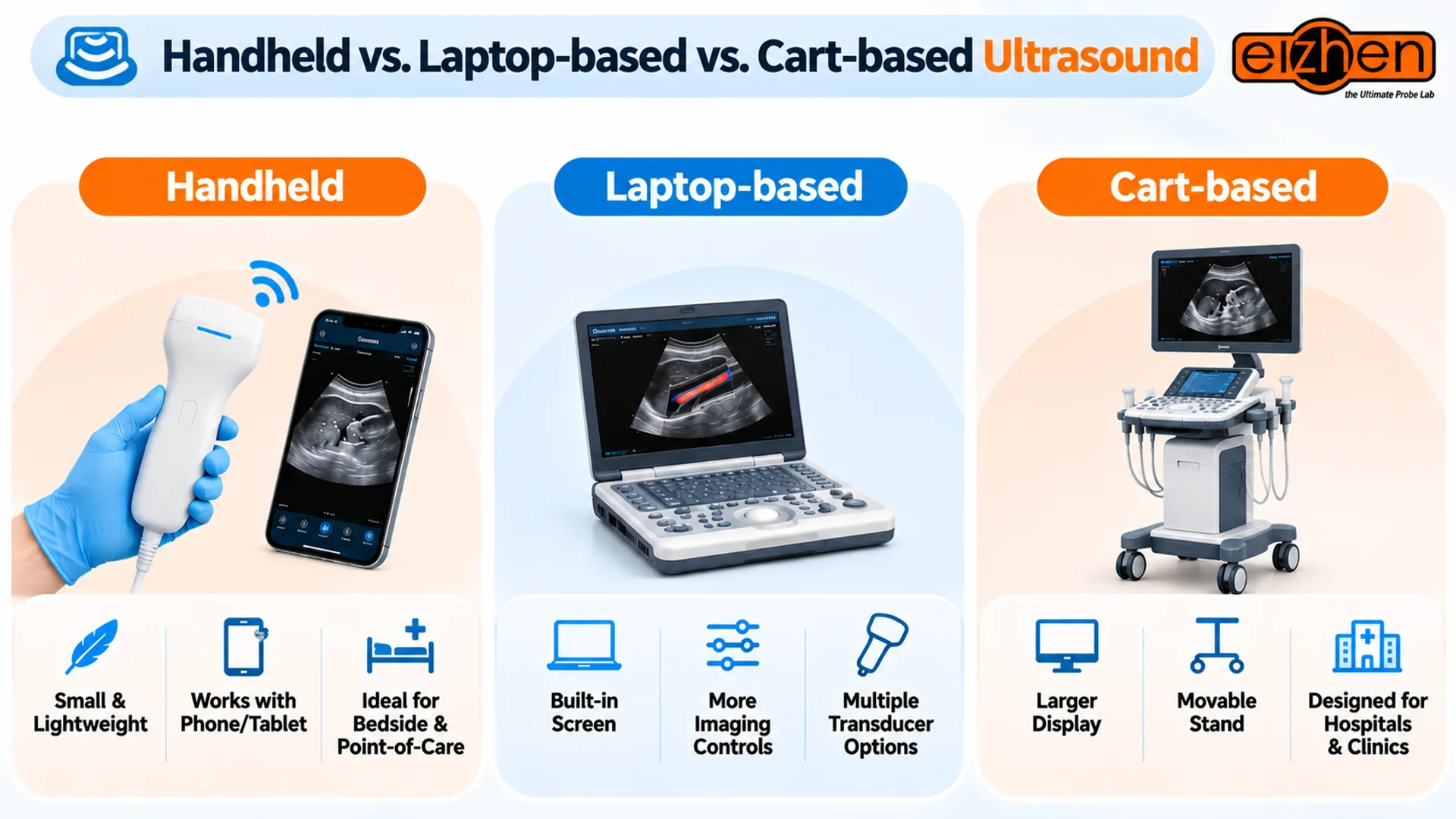
One of the main factors that you should consider when looking for the best portable ultrasound machines is their design. Portable ultrasound machines come in different sizes and designs. Some are small enough to fit in a pocket, while others have built-in screens or wheeled stands.
The main types, from smallest to largest, include:
Handheld Ultrasound Machines
These are the smallest portable ultrasound systems that you can easily hold in your hand. They consist of a compact probe that connects wirelessly or through a cable to a smartphone or tablet. You can then use the phone or tablet screen to view the ultrasound images.
Because they are lightweight and easy to carry, these systems work particularly well for bedside examinations, primary care clinics, emergency departments, intensive care units, and mobile healthcare services. They can also be a good option if you want to use an ultrasound machine at home.
Laptop-based Ultrasound Machines
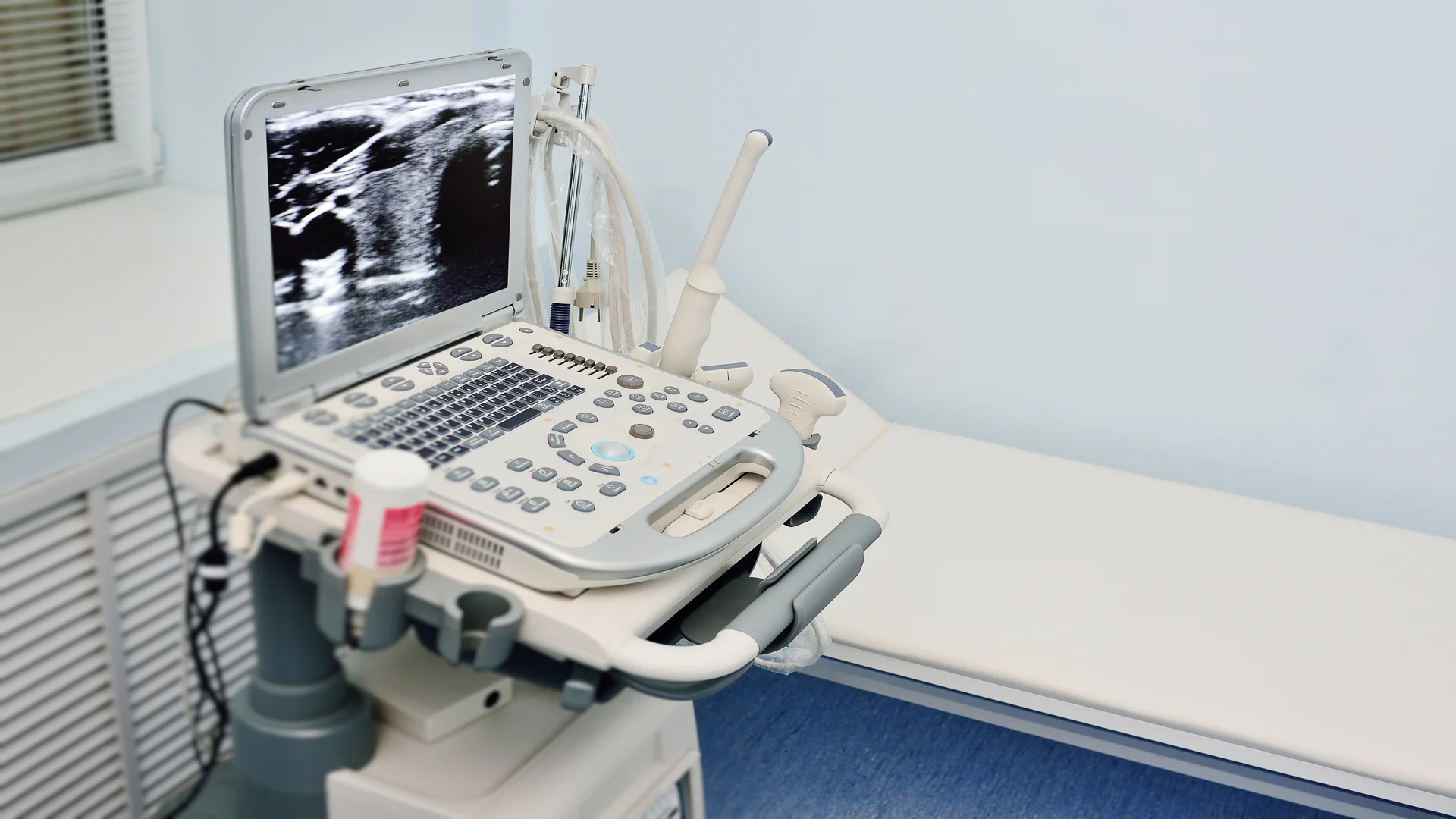
As their name suggests, these devices look like laptops, with a built-in screen, control panel, and imaging components all in one unit.
Although laptop-based ultrasound systems are larger than handheld devices, they often offer more imaging controls and transducer options.
Cart-based Ultrasound Machines
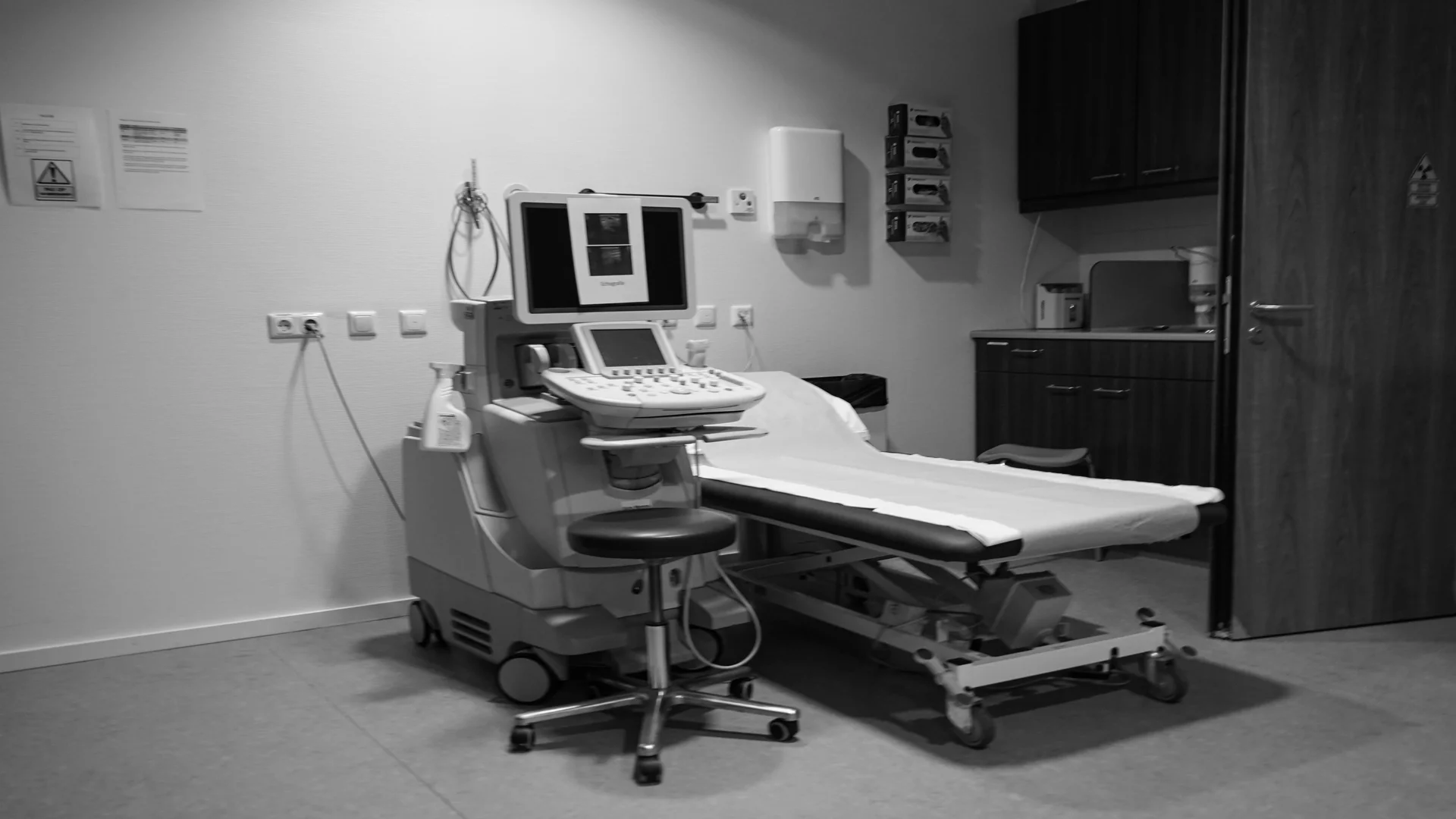
Cart-based systems feature a larger monitor and control panel mounted on a wheeled stand, as shown in the image above. They are less convenient to carry than handheld or laptop-based models. However, they can be moved between examination rooms and departments. Their design makes them a practical choice for hospitals, imaging centers, and busy clinics that perform a wide range of ultrasound examinations, from cardiology to abdominal and musculoskeletal ultrasound.
In the next section, we’ll compare 10 of the best portable ultrasound machines across handheld, laptop-based, and cart-based designs to help you explore the available options.
Best Portable Ultrasound Machines: 10 Top Models Explained
With so many portable ultrasound machines on the market, finding the right model can be challenging. To narrow down your options, we’ve selected 10 notable systems from leading manufacturers to help you compare their capabilities and find the best portable ultrasound machine for a medical facility, clinic, hospital, point-of-care examinations, and even home use.
All 10 models are available at Elzhen as refurbished ultrasound systems.
1. GE Vscan Air – Handheld Ultrasound
Let’s start our list of the best portable ultrasound machines with the GE Vscan Air. This pocket-sized wireless system offers two scanning options in a single probe, making it useful for a variety of point-of-care examinations.
Its compact design also makes it one of the options worth considering for home use.

Key features:
- Two scanning options: The CL model combines curved and linear probes, while the SL combines sector and linear probes. This allows clinicians to use different types of ultrasound probes to examine both deeper and more superficial structures.
- Wireless operation: Connects to a compatible smartphone or tablet without a cable, making it easy to carry between patients.
- Multiple imaging modes: Supports 2D, Color Doppler, M-mode, and Pulsed Wave Doppler to examine anatomy and blood flow.
2. Philips Lumify – Handheld Ultrasound
Another name to consider when looking for the best handheld ultrasound machine is Philips Lumify. It combines a compact ultrasound probe with a compatible smart device, providing a convenient solution for bedside and mobile examinations.

Key features:
- Smart device connection: Uses a compatible smartphone or tablet as the screen for viewing ultrasound images.
- Three probe options: Offers curved, linear, and phased-array transducers for different examinations, including abdominal, vascular, and cardiac imaging.
- Image storage and sharing: Allows clinicians to save images and video clips, review examinations, and share studies through supported DICOM systems.
3. Fujifilm Sonosite iVIZ Ultrasound – Handheld Ultrasound
Last but not least, the FUJIFILM SonoSite iVIZ is another option among the best handheld ultrasound machines. It’s a lightweight, tablet-based ultrasound system designed for home use and point-of-care imaging in bedside and mobile clinical settings, supporting a range of examinations, including abdominal, cardiac, vascular, and superficial imaging.

Key features:
-
7-inch touchscreen display: Provides convenient one-handed operation and real-time image viewing.
-
Four compatible transducers: Includes linear, curved, and phased-array options for various clinical applications.
-
Multiple imaging modes: Supports 2D, M-Mode, Tissue Harmonic Imaging, and Color Doppler.
-
DICOM connectivity: Enables image transfer, storage, and Modality Worklist integration.
4. Fujifilm Sonosite Edge II – Compact Laptop-based Ultrasound
Moving to laptop-based systems, the Sonosite Edge II is designed for demanding clinical environments. Its durable construction and imaging features make it a practical choice for emergency medicine and bedside examinations.

Key features:
- DirectClear technology: Available on selected transducers, this technology helps improve image detail and penetration.
- Durable construction: Its reinforced cable options and sealed keypad help the system withstand demanding clinical use and simplify cleaning.
- Different imaging modes: Supports 2D, M-mode, Color Doppler, and spectral Doppler for a range of examinations.
5. Mindray M9 – Laptop-Based Ultrasound
The Mindray M9 is another option among the best portable ultrasound machines for clinics requiring more advanced imaging. Its compact design combines mobility with features for general imaging and cardiac examinations.

Key features:
- 3T transducer technology: Helps produce clearer images with improved detail, particularly when scanning deeper structures or technically challenging patients.
- Echo Boost: Enhances weaker ultrasound signals while reducing background noise, helping clinicians see important structures more clearly.
- Multiple imaging tools: Includes iClear and iBeam technologies to improve image clarity and make anatomical details easier to distinguish.
6. GE LOGIQ e – Laptop-Based Ultrasound
Another popular laptop-based model is the GE LOGIQ e. Designed for use across different clinical departments, it offers a balance of portability, imaging functions, and examination options.

Key features:
- Compact design: Its laptop-style construction makes it easier to carry between examination rooms and departments.
- Multiple clinical applications: Supports examinations such as musculoskeletal, vascular, abdominal, and emergency imaging, depending on configuration.
- Doppler imaging: Provides tools for examining blood flow in vessels and other structures.
7. Mindray TE5 – Compact Cart-Based Ultrasound
The Mindray TE5 offers a different design among the best portable ultrasound machines. Its tablet-like touchscreen is mounted on a compact mobile system. This system is particularly useful for ultrasound-guided procedures and regional anesthesia.

Key features:
- 15-inch touchscreen: Provides a large display with touch controls that can be operated using compatible medical gloves.
- iNeedle+ technology: Helps make needles more visible during ultrasound-guided procedures, allowing clinicians to follow their position more easily.
- eSpacial Navi: Uses magnetic navigation technology to help display the needle’s position and direction during certain procedures.
8. Philips Affiniti 70 – Cart-Based Ultrasound
For hospitals and imaging centers looking for a versatile cart-based system, the Philips Affiniti 70 is another model to consider.

Key features:
- PureWave transducers: These probes help produce detailed images, particularly when scanning patients who may be more difficult to image.
- AutoSCAN: Automatically adjusts image brightness and settings to help maintain consistent image quality.
- SmartExam: Guides clinicians through examination steps, helping reduce repetitive work and make scanning more consistent.
9. GE Venue Go – Compact Cart-Based Ultrasound
The GE Venue Go is a flexible option when choosing the best portable ultrasound machine for point-of-care examinations. Its compact design allows clinicians to move it between different care areas and adapt its setup to available space.

Key features:
- Flexible design: Can be used on its cart, placed on a tabletop, or attached to a compatible mounting arm.
- Long-lasting battery: Provides up to two hours of active scanning, allowing examinations without a constant power connection.
- Multiple probe connections: Supports three wired transducers and compatible wireless probes, making it easier to switch between scanning options.
10. GE LOGIQ E10 – Cart-Based Ultrasound
Finally, the GE LOGIQ E10 is a more advanced cart-based system for hospitals and imaging departments. Although larger than handheld and laptop-based models, it offers a broad range of imaging tools for different clinical applications.

Key features:
- cSound technology: Uses advanced image processing to produce clear images, from structures close to the probe to deeper areas.
- Shear Wave Elastography: Measures tissue stiffness, providing additional information for examinations such as liver assessment.
- Advanced blood flow imaging: Includes specialized imaging tools that help visualize blood flow in greater detail, including smaller vessels.
Best Portable Ultrasound Machines by Clinical Application
In addition to the design, choosing the best portable or handheld ultrasound machine depends largely on your clinical needs and the types of examinations you perform.
For instance, cardiac imaging requires specific transducers and features that may differ from those needed for vascular or musculoskeletal examinations. This means a machine that performs well in a cardiology clinic may not be the best option for your practice.
To help you find the best handheld ultrasound machine, we’ve outlined some common clinical applications below, along with examples of models from our list that may be suitable for each.
General Imaging
For general imaging, look for a portable ultrasound machine that supports abdominal, pelvic, and superficial examinations. Models such as the Mindray M9, GE LOGIQ e, and Philips Affiniti 70 offer a range of imaging applications and compatible transducer options.
Cardiac Imaging
Cardiac examinations require dedicated imaging capabilities and compatible phased-array transducers. The GE Vscan Air, Philips Lumify, Mindray M9, and Philips Affiniti 70 are examples worth considering. For more models, explore our guide to the best cardiac ultrasound machines.
Best Cardiac Ultrasound Machines
Musculoskeletal Imaging
Musculoskeletal ultrasound relies heavily on high-frequency linear transducers to examine muscles, tendons, ligaments, and joints. The GE Vscan Air, Philips Lumify with a linear probe, Sonosite Edge II, and GE LOGIQ e are examples of systems suitable for this type of imaging.
Veterinary Imaging
Veterinary ultrasound requires suitable vet probes and examination settings for different animal sizes and species.
Portable systems such as the GE LOGIQ e and Mindray M9 may be considered for veterinary applications. To explore more options, see our guide to the best vet ultrasound machines.
Best Veterinary Ultrasound Machines
Choose the Best Portable Ultrasound Machine: 5 Factors to Consider
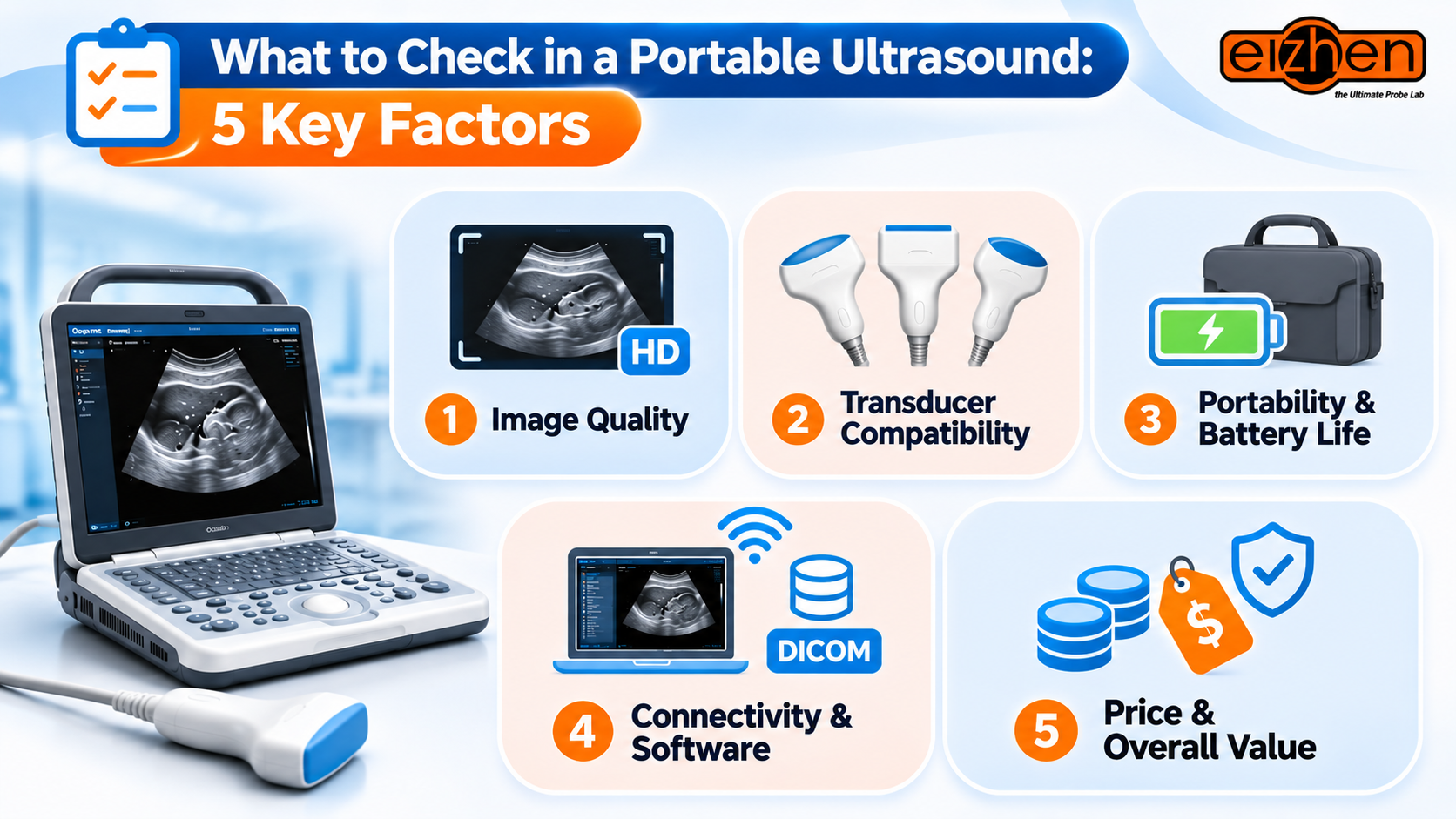
Besides the design and medical applications discussed in the previous section, there are several other factors to consider when looking for the best handheld or portable ultrasound machine:
- Image Quality: Look for high-resolution imaging, clear visualization, and imaging technologies that meet your clinical requirements.
- Transducer Compatibility: Check which transducer types the machine supports and whether they are suitable for your medical examinations.
- Portability and Battery Life: Consider the machine’s weight, dimensions, battery life, and ease of transportation, especially if you perform examinations at different locations.
- Connectivity and Software: Look for features such as DICOM compatibility, wireless connectivity, data storage, and software options that support your clinical workflow.
- Price and Overall Value: Compare the purchase price, warranty, maintenance requirements, and additional costs. Depending on your budget, a refurbished portable ultrasound system may also offer an opportunity to access advanced ultrasound technology at a lower price.
Best Portable Ultrasound Machine for Home Use
Decades ago, ultrasound examinations were mainly performed in hospitals and imaging centers because machines were large and difficult to transport. However, advances in portable and handheld technology have made it possible for healthcare professionals to perform selected scans at patients’ bedsides and even in their homes.
Today, ultrasound for home use can mean a doctor visiting a patient, a mobile ultrasound service, or supervised self-scanning. The best option depends on who performs the examination and what type of scan is needed.
Portable Ultrasound for Home Use by Healthcare Teams
For doctors and nurses who perform home visits, the best portable ultrasound for home use is usually a lightweight device that is easy to carry and quick to set up, including the GE Vscan Air and the Philips Lumify.
These at-home portable ultrasound systems allow trained healthcare professionals to perform selected examinations without carrying a conventional cart-based machine.
Handheld Ultrasound Services That Come to the Patient
Some patients prefer to have a complete ultrasound examination at home rather than travel to an imaging center. In this case, the best portable ultrasound for home use may be a laptop-based or compact cart-based system brought by a mobile ultrasound provider. A qualified sonographer performs the examination, and the images may then be reviewed by a radiologist or another relevant specialist, depending on the service.
Supervised Home Self-Scanning
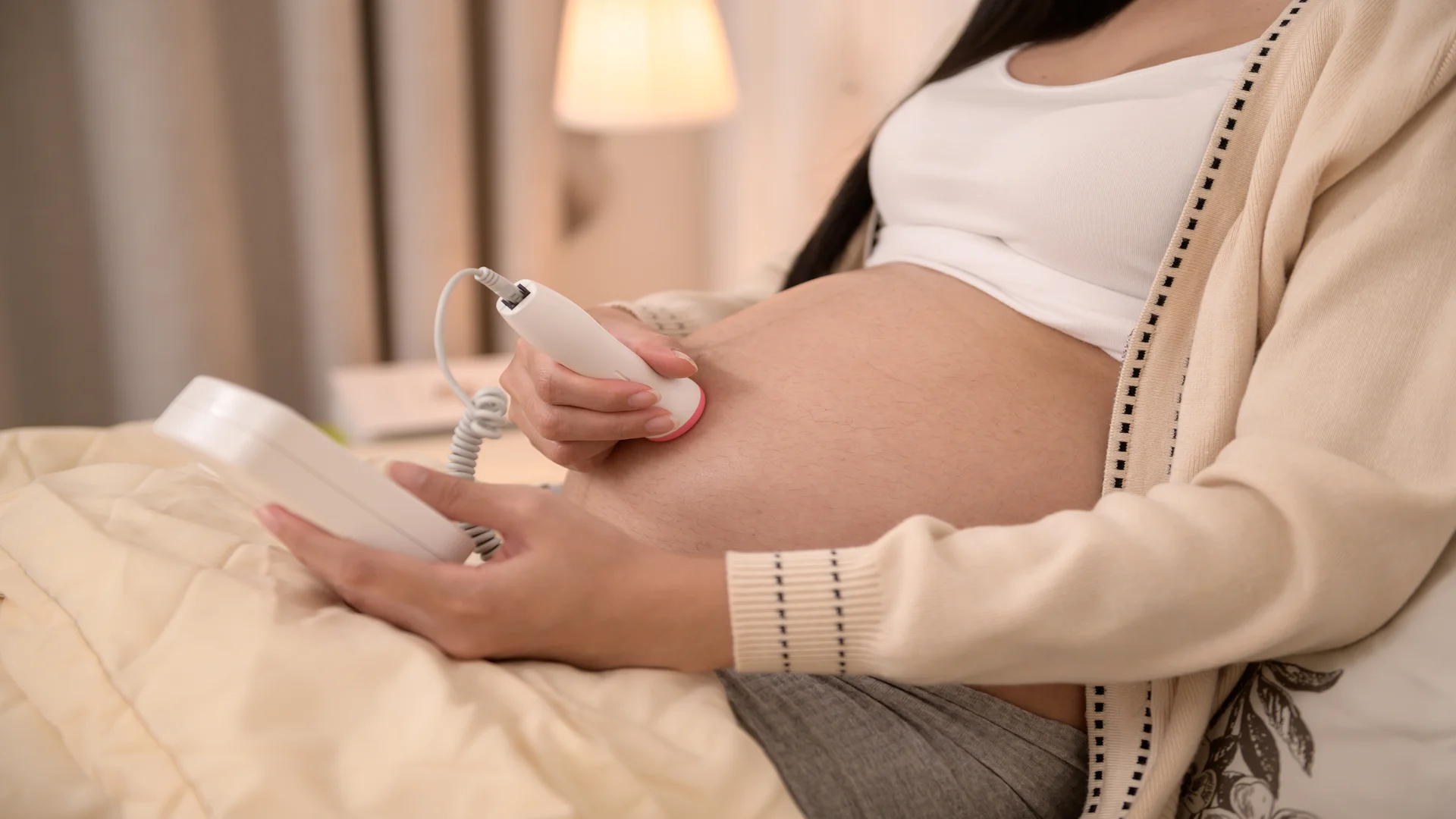
Another option is supervised home self-scanning, which is currently available for specific medical applications, particularly pregnancy. The best portable ultrasound for home use in this situation is a specialized device that allows pregnant patients to acquire limited ultrasound images for remote physician interpretation and fetal heart rate assessment.
However, it does not detect fetal abnormalities or replace routine pregnancy scans and medical consultations. The AIUM also discourages using fetal ultrasound for nonmedical purposes, such as keepsake images and videos.
When searching for terms like “best portable ultrasound for home use” or “at-home ultrasound,” you may also come across therapeutic ultrasound devices. However, these devices work differently from diagnostic ultrasound machines. They deliver ultrasound energy to help relieve pain rather than produce diagnostic images, so they are not covered in this guide.
Final Thoughts on the Best Portable Ultrasound Machines
From handheld models like the GE Vscan Air to laptop-based systems like the GE LOGIQ e and GE Venue Go, there are options for different clinical needs. Finding the best portable ultrasound machine means looking beyond size and comparing image quality, transducer compatibility, features, and price.
For healthcare professionals providing home visits, a portable ultrasound machine for home use can also support point-of-care diagnostics. At Elzhen, you can explore a wide selection of portable ultrasound machines from leading brands to find the right fit for your practice.
Medical Sources Checked
The medical claims are supported by primary sources: