
“Safe care for life!” is the message at the heart of World Patient Safety Day 2026, reminding us that safer health care matters not only in a single moment, but throughout every stage of a person’s life.
Observed every year on September 17, World Patient Safety Day brings global attention to preventable harm and the steps that can make health care safer. This year, the spotlight is on safe care for noncommunicable diseases.
In this article, we’ll explore the story behind the World Patient Safety Day, the 2026 theme, key patient safety facts, global activities, and why safer care should remain a priority long after September 17.
What Is World Patient Safety Day? 
World Patient Safety Day is a global public health observance that puts patient safety in the international spotlight. It brings patients, health professionals, policymakers, health organizations, and communities together around the shared goal of reducing avoidable harm and making care safer. Patient safety extends beyond preventing individual medical errors; diagnosis, medications, communication, medical equipment, infection prevention, care transitions, and many other parts of the health system can influence how safely care is delivered.
World Patient Safety Day should not be confused with Patient Safety Awareness Week, another initiative focused on safer healthcare, which was observed from March 8–14 in 2026. WHO holds World Patient Safety Day annually on September 17, creating a separate global occasion to focus attention and action on patient safety. Each year has a specific theme, and in 2026, the focus is “Safe care for noncommunicable diseases,” explained in more detail below.
The History and Background of World Patient Safety Day
World Patient Safety Day was officially established in 2019, but the international effort to make health care safer began much earlier. Over the years, a series of initiatives and agreements helped turn patient safety from a growing concern into a recognized global health priority.
| Year | Key Milestone |
| 2002 | The World Health Assembly adopted a resolution calling for greater attention to the quality of patient safety. |
| 2015 | Patient safety organizations in Germany, Austria, and Switzerland held the first International Patient Safety Day on September 17. |
| 2016 | Global Ministerial Summits on Patient Safety helped strengthen international cooperation and political commitment. |
| 2019 | The 72nd World Health Assembly adopted resolution WHA72.6, formally establishing World Patient Safety Day. The first official observance followed on September 17, 2019. |
Why Is World Patient Safety Day Celebrated on September 17?
September 17 was already associated with patient safety before World Patient Safety Day became an official global observance. As the timeline above shows, patient safety organizations in Germany, Austria, and Switzerland had used the date for International Patient Safety Day activities since 2015. When World Patient Safety Day was formally established in 2019, September 17 continued as the date for the global observance.
But why was September 17 originally chosen? Authoritative sources do not identify a specific symbolic reason behind the date. Eleven, no well-supported connection links it to a particular medical discovery or historic patient safety incident.
World Patient Safety Day 2026 Theme: Safe Care for Noncommunicable Diseases
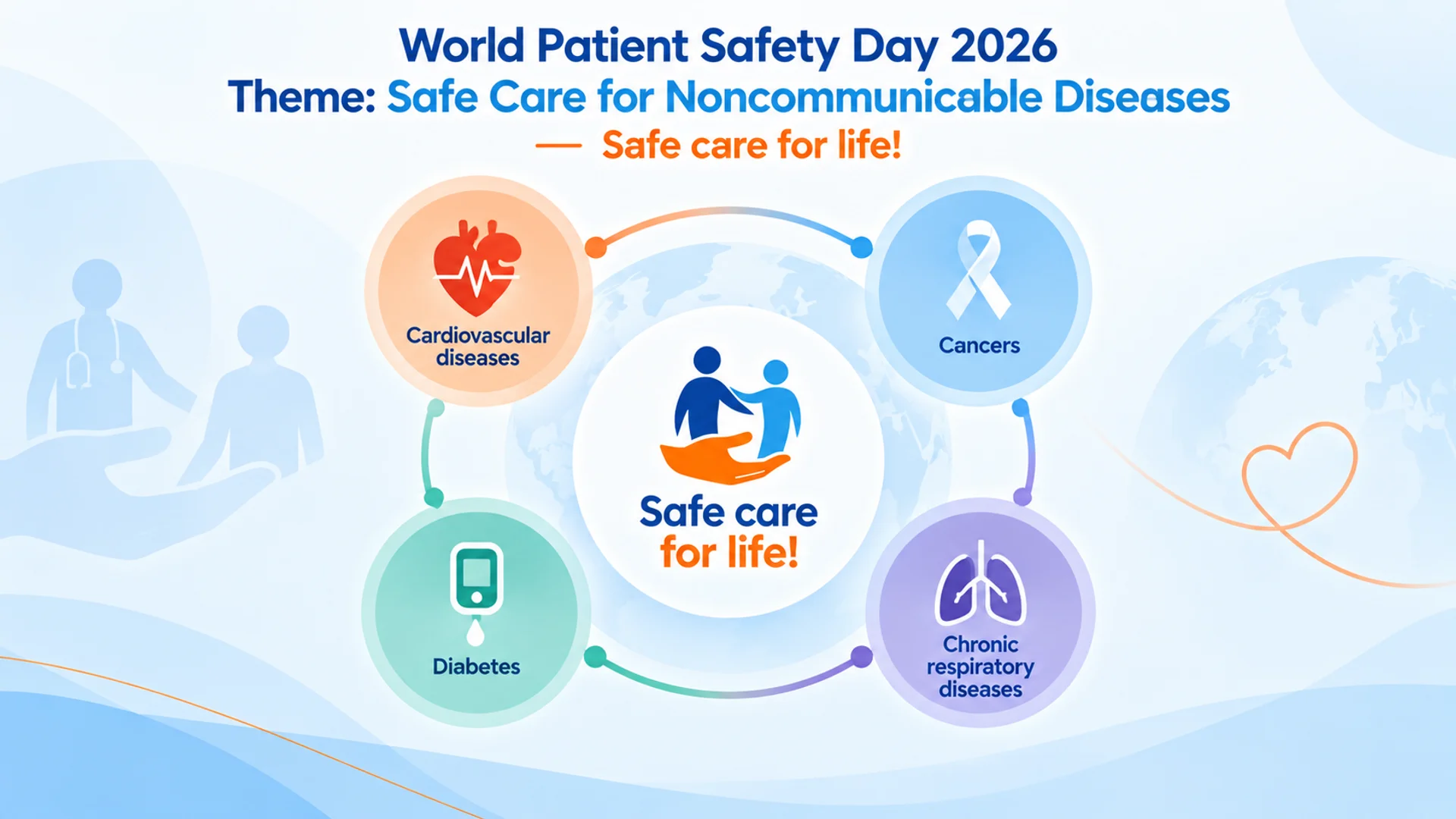
The 2026 World Patient Safety Day theme is “Safe care for noncommunicable diseases,” with the slogan “Safe care for life!”
NCDs are long-term conditions, with cardiovascular diseases, cancers, diabetes, and chronic respiratory diseases representing the four major groups and accounting for a large share of deaths worldwide. Because managing these conditions can involve years of tests, medications, treatments, and follow-up, patient safety remains important throughout ongoing care.
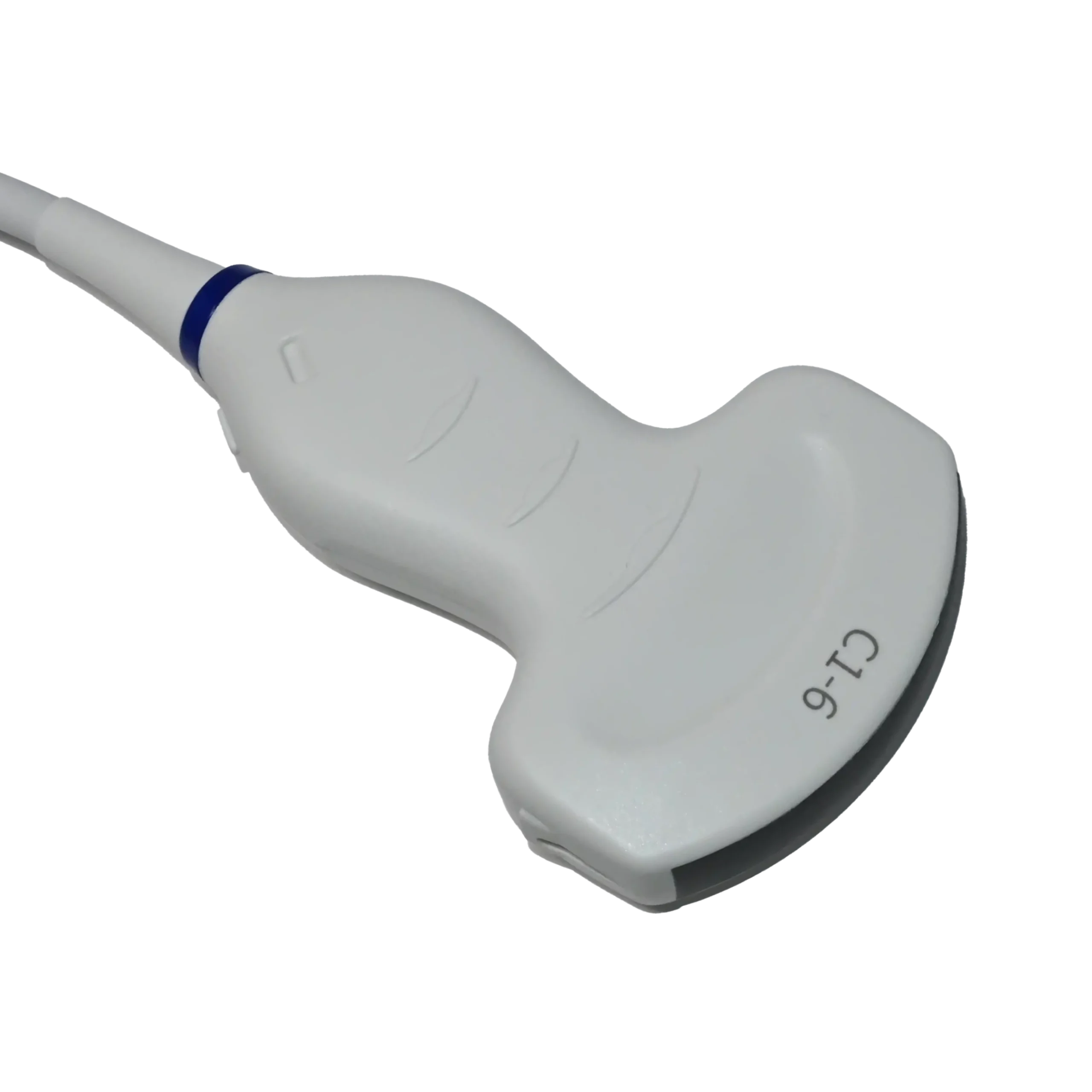
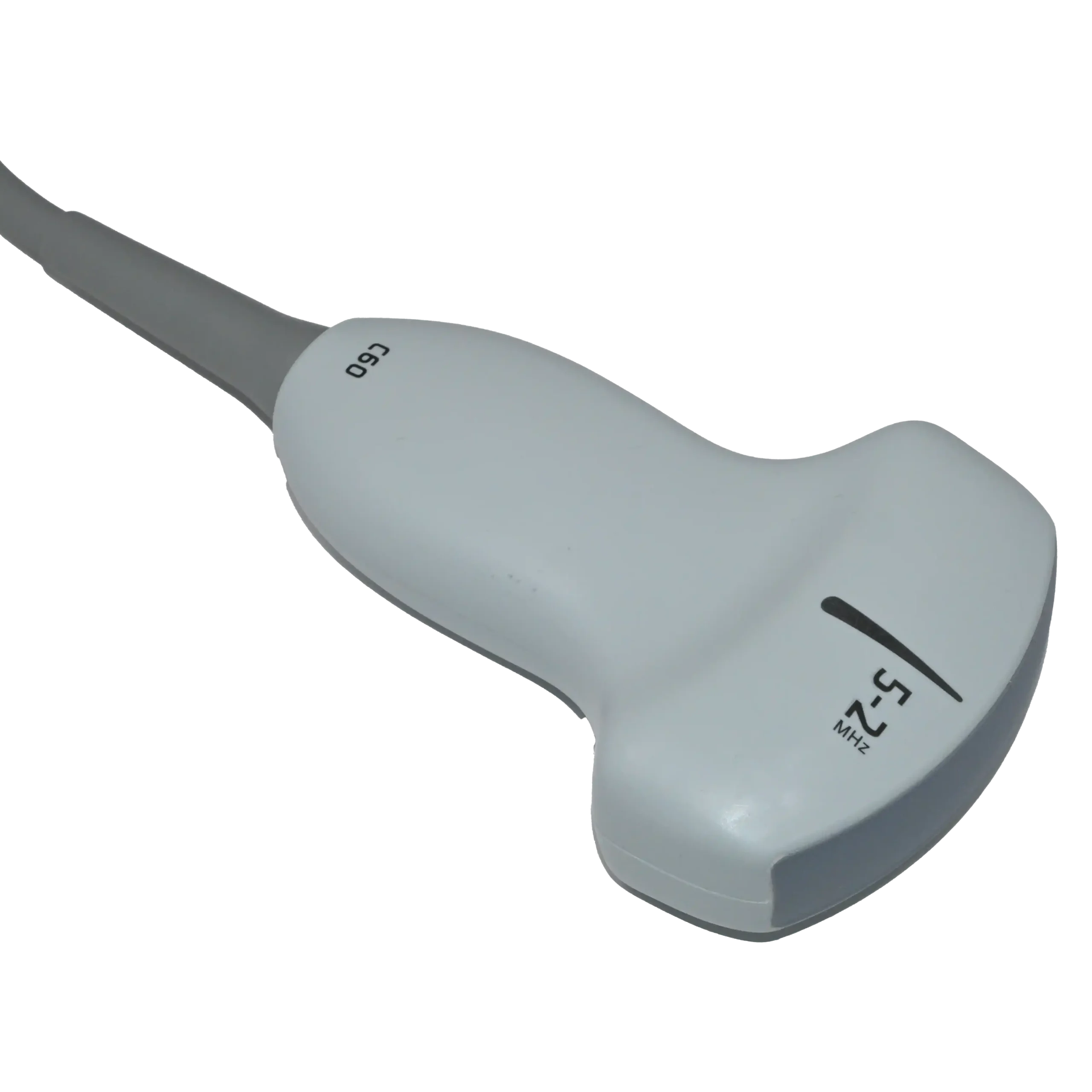
Diagnostic technologies are also part of this safety picture. Ultrasound imaging, for example, plays an important role in cardiovascular care, and the quality and reliability of imaging equipment can influence the information available for clinical decisions. We discuss this connection further in our guide to ultrasound safety and the role of equipment quality in patient care, and we also explore the role of ultrasound equipment in NCD care below.
The Role of Ultrasound Equipment in Safe NCD Care
Among the major NCDs, cardiovascular diseases place a particularly heavy burden on global health, making accurate cardiac assessment an important part of patient care. These conditions often require ongoing assessment and repeated examinations at different stages of care. In this context, ultrasound imaging plays an important role because it can be used repeatedly without exposing patients to ionizing radiation.
Echocardiography, for example, allows clinicians to evaluate the heart’s structure, movement, valves, and pumping function, as well as monitor changes over time. Because the quality of these examinations also depends on equipment performance, reliable ultrasound equipment and appropriate performance checks are important for supporting consistent imaging and patient care.
2026 Patient Safety: Key Facts and Statistics
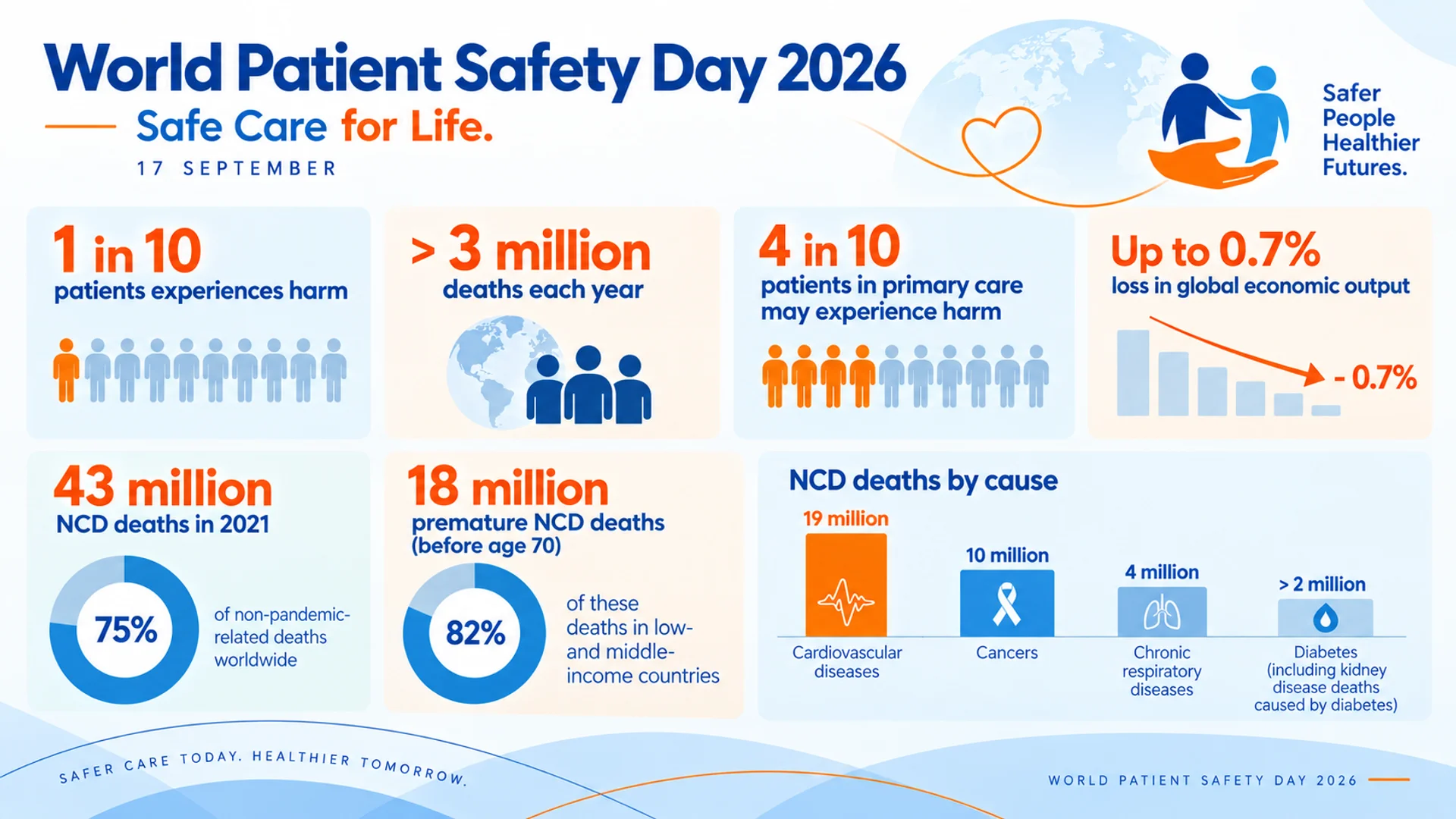
Despite growing attention to patient safety, preventable harm remains a major global health challenge. According to the latest available WHO data:
- Around 1 in 10 patients experiences harm while receiving health care, and more than half of this harm is preventable.
- Unsafe care is associated with more than 3 million deaths each year.
- In primary and ambulatory care, as many as 4 in 10 patients may experience harm, much of which could be avoided.
- Patient harm may reduce global economic output by up to 0.7% annually, with indirect costs reaching trillions of US dollars.
- NCDs caused at least 43 million deaths in 2021, accounting for about 75% of non-pandemic-related deaths worldwide.
- About 18 million NCD deaths occurred before age 70, with 82% of these premature deaths in low- and middle-income countries.
- Cardiovascular diseases accounted for at least 19 million NCD deaths, followed by cancers (10 million), chronic respiratory diseases (4 million), and diabetes (more than 2 million, including kidney disease deaths caused by diabetes).
Together, these figures show the scale of two closely connected challenges: the burden of NCDs and the continuing impact of unsafe care. For patients who depend on health services over long periods, maintaining safety throughout their care becomes especially important, an idea at the center of the 2026 campaign.
How Is World Patient Safety Day Observed Around the World?
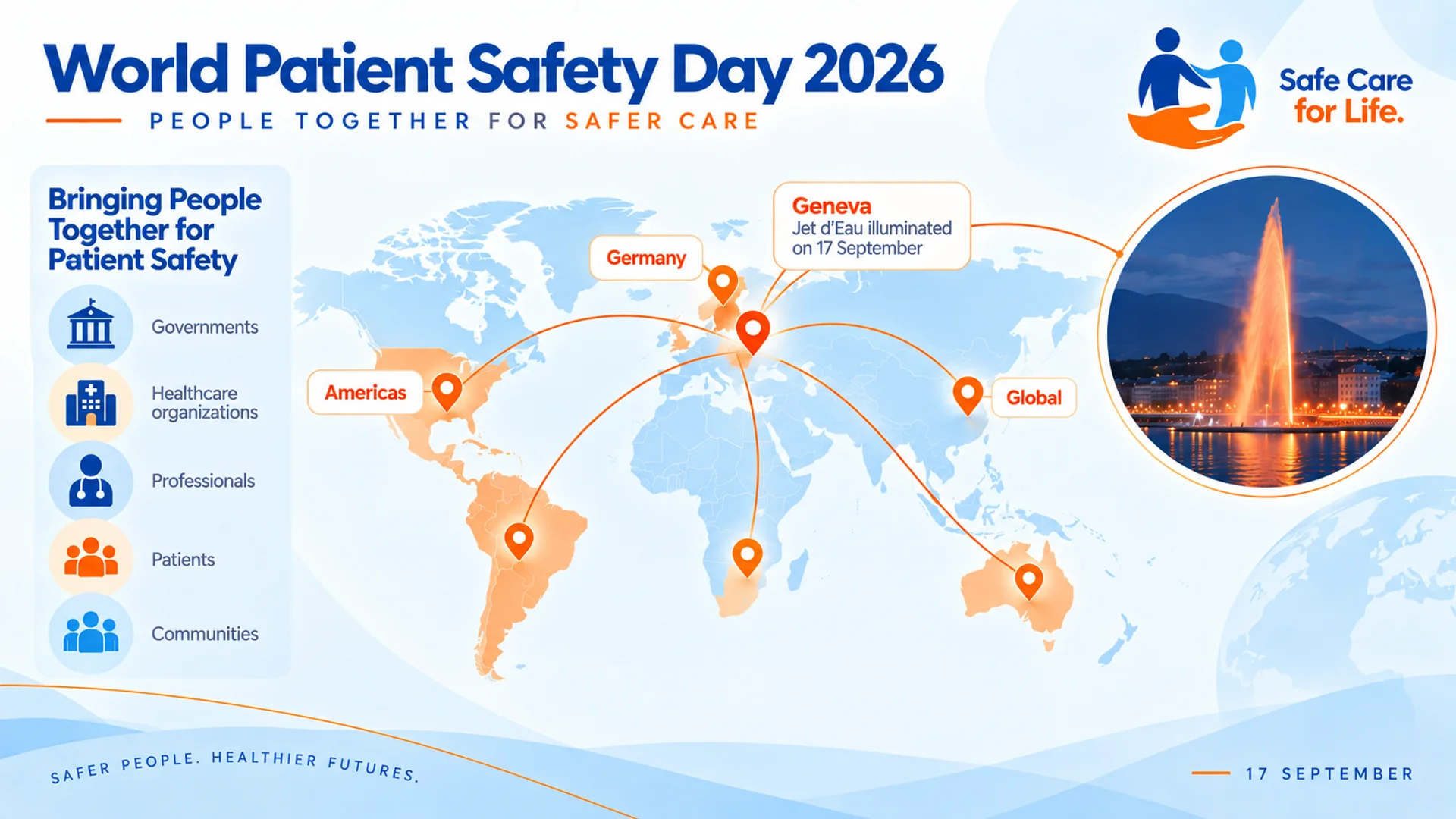
World Patient Safety Day brings together governments, healthcare organizations, professionals, patients, and communities through awareness campaigns, educational events, training, and other patient-safety activities. Orange, the campaign’s signature color, also becomes part of the global observance as landmarks and public buildings are illuminated worldwide. For 2026, WHO plans to continue this tradition by lighting Geneva’s Jet d’Eau (the city’s famous water fountain and landmark) on September 17.
World Patient Safety Day 2026 Activities Around the World
No official global ranking of countries by participation exists, but several regions already show visible activity for 2026. Germany has registered numerous events across hospitals and healthcare organizations, ranging from information campaigns and staff training to interactive patient-safety exercises and NCD-related activities. Across the Americas, PAHO/WHO supports the campaign through regional awareness and educational activities, while WHO promotes participation internationally. Together, these efforts show how the 2026 theme is being brought into healthcare settings and communities worldwide.
Making Safe Care a Priority Beyond September 17
World Patient Safety Day draws attention to important safety challenges, but its message extends far beyond September 17. Safer care is shaped by everyday decisions across healthcare, from clinical practices and communication to the condition and performance of the medical equipment professionals rely on.
At Elzhen, we support this year-round effort by helping healthcare and technical professionals keep ultrasound equipment reliable and ready for use.
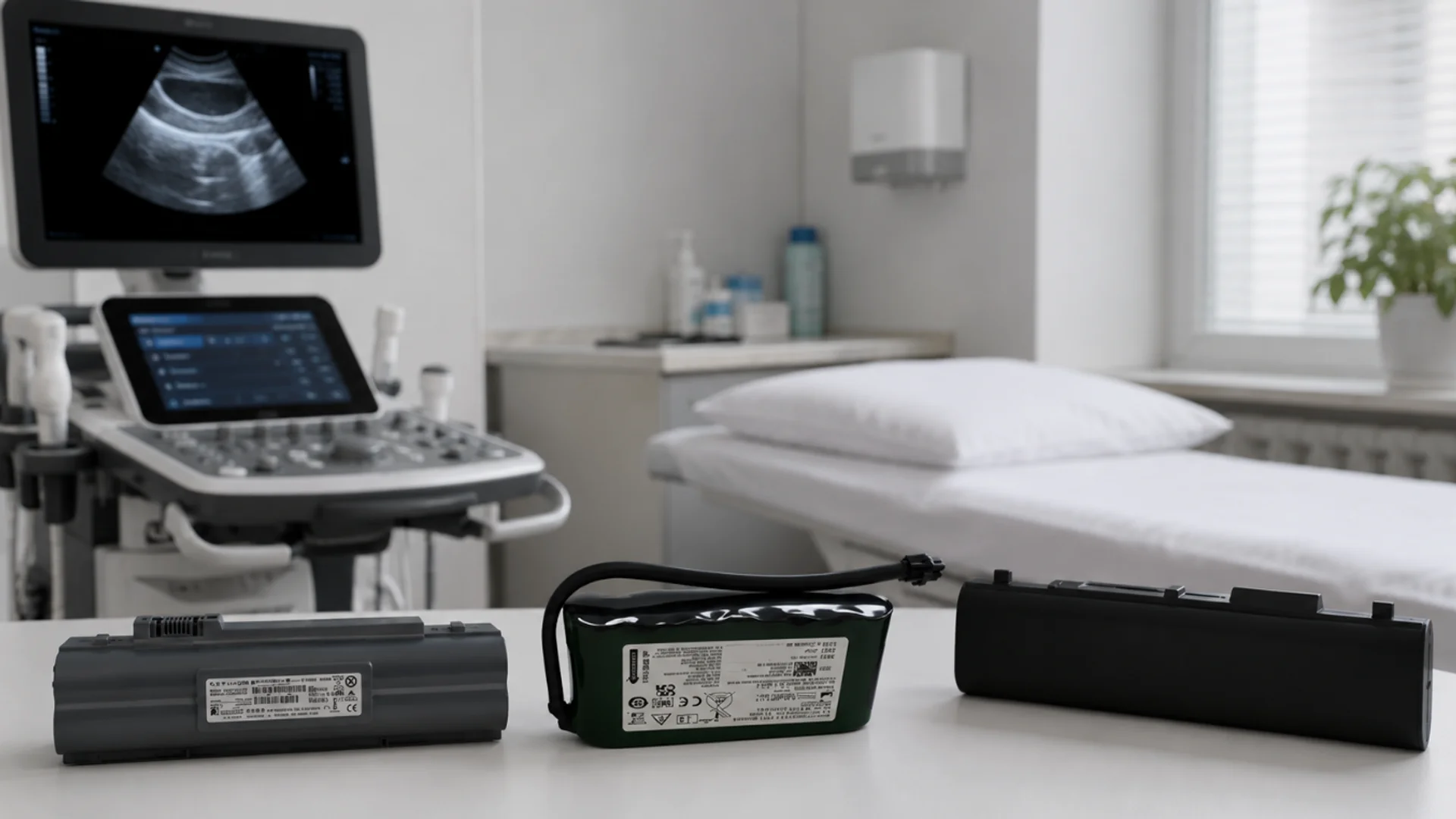
Our main solutions include refurbished ultrasound systems and transducers, probe repair services, replacement ultrasound batteries, and a smart transducer analyzer for evaluating transducer performance. Through reliable equipment, technical solutions, and ongoing support, we aim to help keep quality and patient safety in focus year-round.