
Ultrasound safety is closely tied to patient safety, making equipment quality and maintenance a top priority for clinics and healthcare facilities. Keeping ultrasound systems in reliable condition can support consistent imaging and reduce avoidable equipment-related problems.
In this article, we’ll explore key ultrasound safety practices and explain how proper equipment maintenance, testing, and quality can help protect patients and support safer, more reliable imaging.
How Ultrasound Safety and Quality Affect Diagnostic Accuracy
When it comes to patient safety, accurate clinical decisions are essential, and ultrasound images often provide important information that supports those decisions. Clinicians rely on image resolution, clarity, contrast, and the clear visualization of anatomical structures to evaluate what is happening inside the body. If equipment performance is compromised, subtle findings may become harder to distinguish, potentially reducing confidence in image interpretation and the information available for diagnosis.
This is why ultrasound safety and quality matter beyond simply having a system that turns on and functions. The ultrasound machine, display, and transducer must work together consistently to produce clear, clinically useful images. For this reason, whether a healthcare facility chooses new or refurbished ultrasound machines, reliable imaging performance should remain a key consideration. A properly evaluated system can provide the consistent image quality clinicians need to assess findings with greater confidence. In this way, ultrasound equipment quality supports not only diagnostic performance but also the informed clinical decisions that ultimately guide patient care.
How Can Ultrasound Equipment Problems Affect Patient Safety?
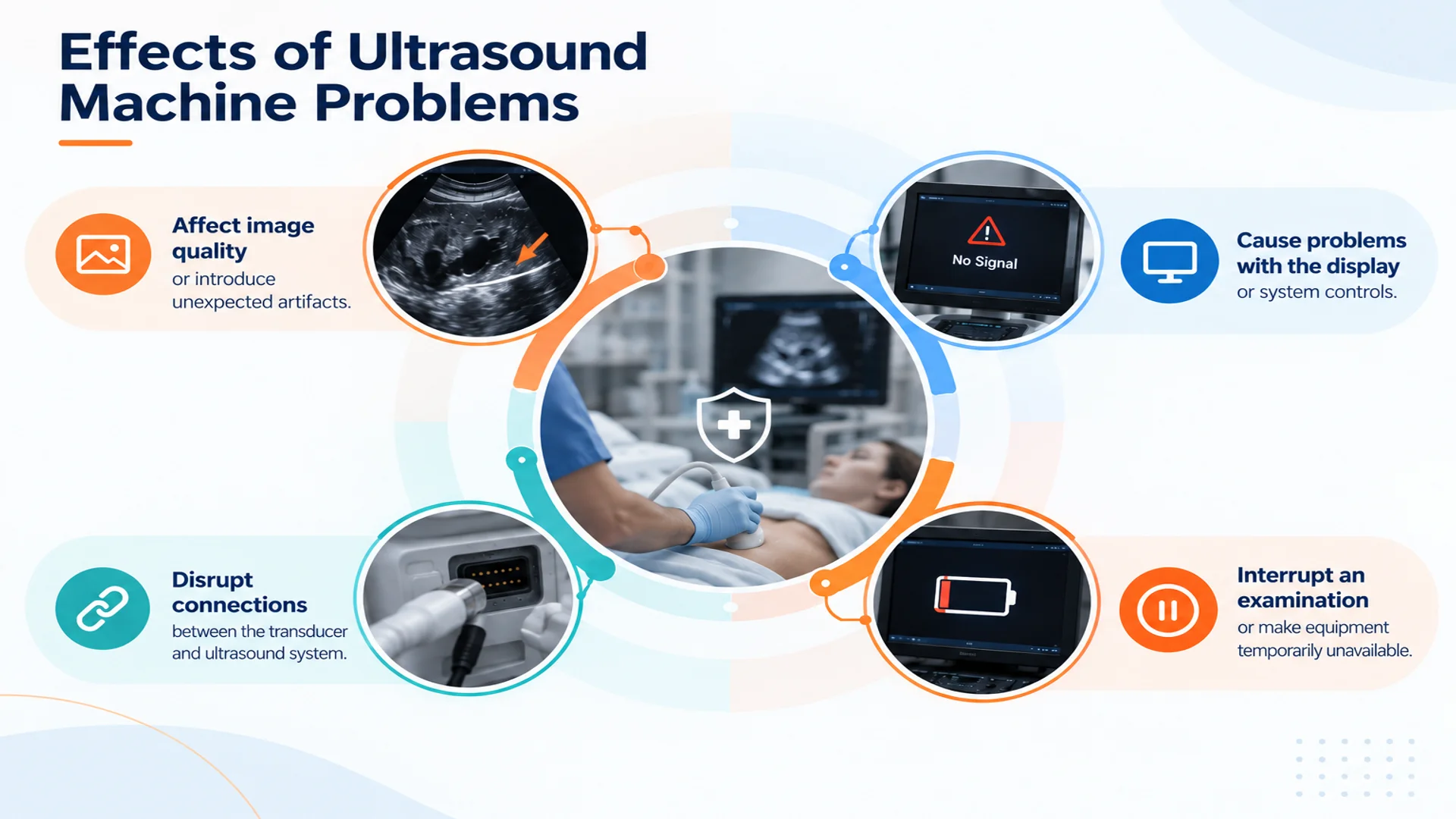
An ultrasound machine consists of several components, and each plays an important role in patient and ultrasound safety. From the main system and transducer to the display, controls, cables, connectors, and other accessories, these components need to work together for reliable imaging. A problem with any of them can affect how smoothly and reliably an examination is performed. Equipment-related problems may:
- Affect image quality or introduce unexpected artifacts
- Cause problems with the display or system controls
- Disrupt connections between the transducer and ultrasound system
- Interrupt an examination or make equipment temporarily unavailable
For example, imagine a clinician notices an unusual artifact while examining a patient. Until the source is identified, it may not be immediately clear whether what they are seeing reflects the patient’s anatomy or an imaging or equipment-related artifact.
Equipment problems can create uncertainty, interrupt examinations, or require further evaluation. Although these issues do not necessarily harm patients, addressing them early can support patient care. For this reason, following an ultrasound maintenance checklist can also help healthcare facilities routinely review key equipment components and identify concerns that may require further attention.
Ultrasound Maintenance Checklist
The Importance of Equipment Condition in Ultrasound Safety
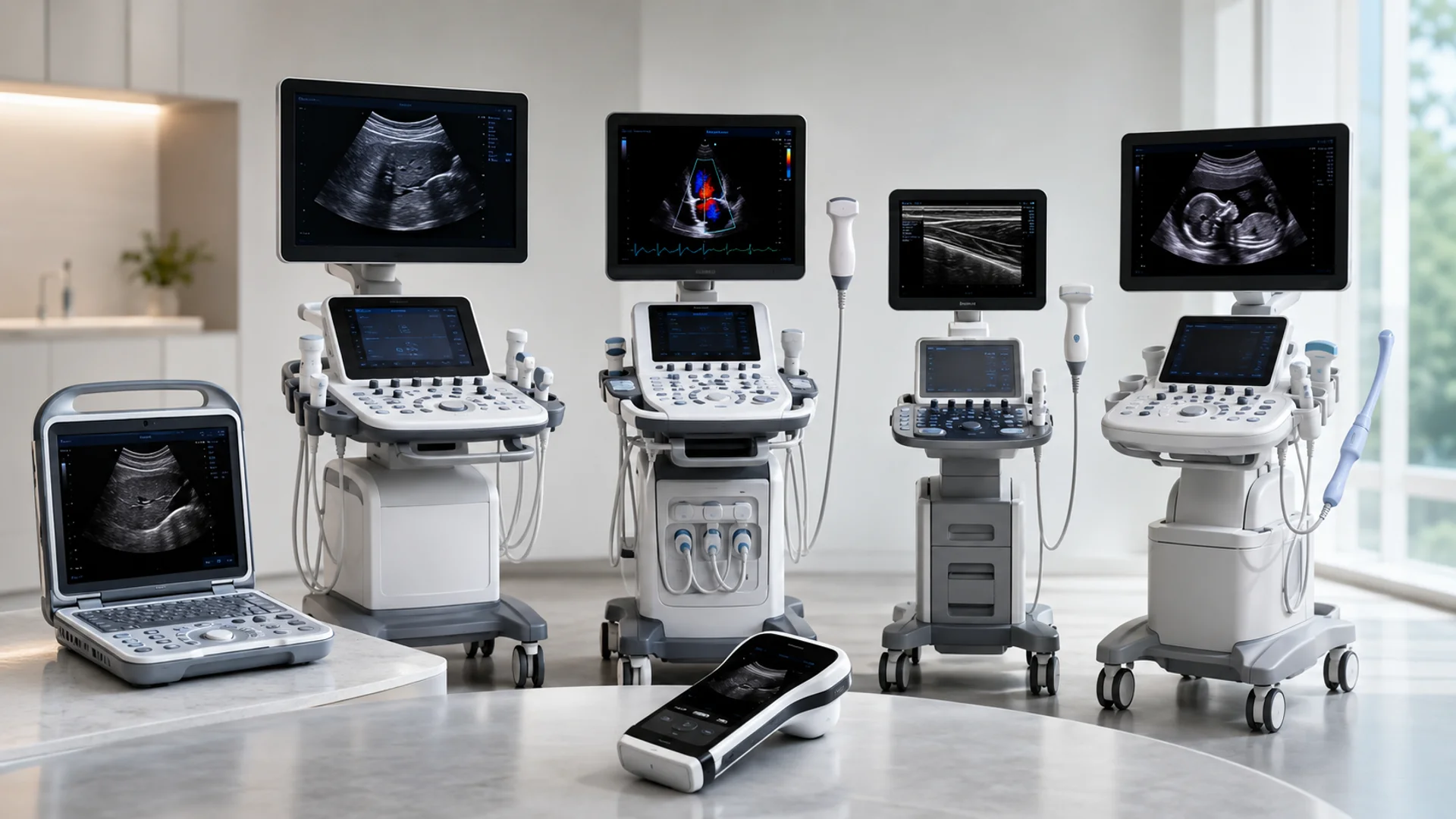
Whether a facility relies on console ultrasound or portable ultrasound machines, maintaining equipment in proper working condition is an important part of ultrasound safety and supports reliable patient care. Ultrasound systems may be purchased new, used, or refurbished, but these labels do not necessarily indicate the same level of evaluation.
New systems are supplied according to the manufacturer’s specifications and quality-control processes, while properly refurbished systems are typically inspected, restored where necessary, and tested before being returned to clinical use. A used system sold as-is, however, may come with less certainty about its previous use, service history, or current performance.
Consider a clinic purchasing a used ultrasound system that appears to function normally during an initial startup check. After the system enters routine clinical use, however, an intermittent display or control-panel issue could interrupt an examination and unexpectedly leave the equipment unavailable. The concern is not simply that the ultrasound was previously used, but whether its condition and performance were properly assessed before being put into clinical use. From a patient-safety perspective, the equipment’s current condition and reliability matter more than its age alone.
The Role of Probe Maintenance in Ultrasound Safety
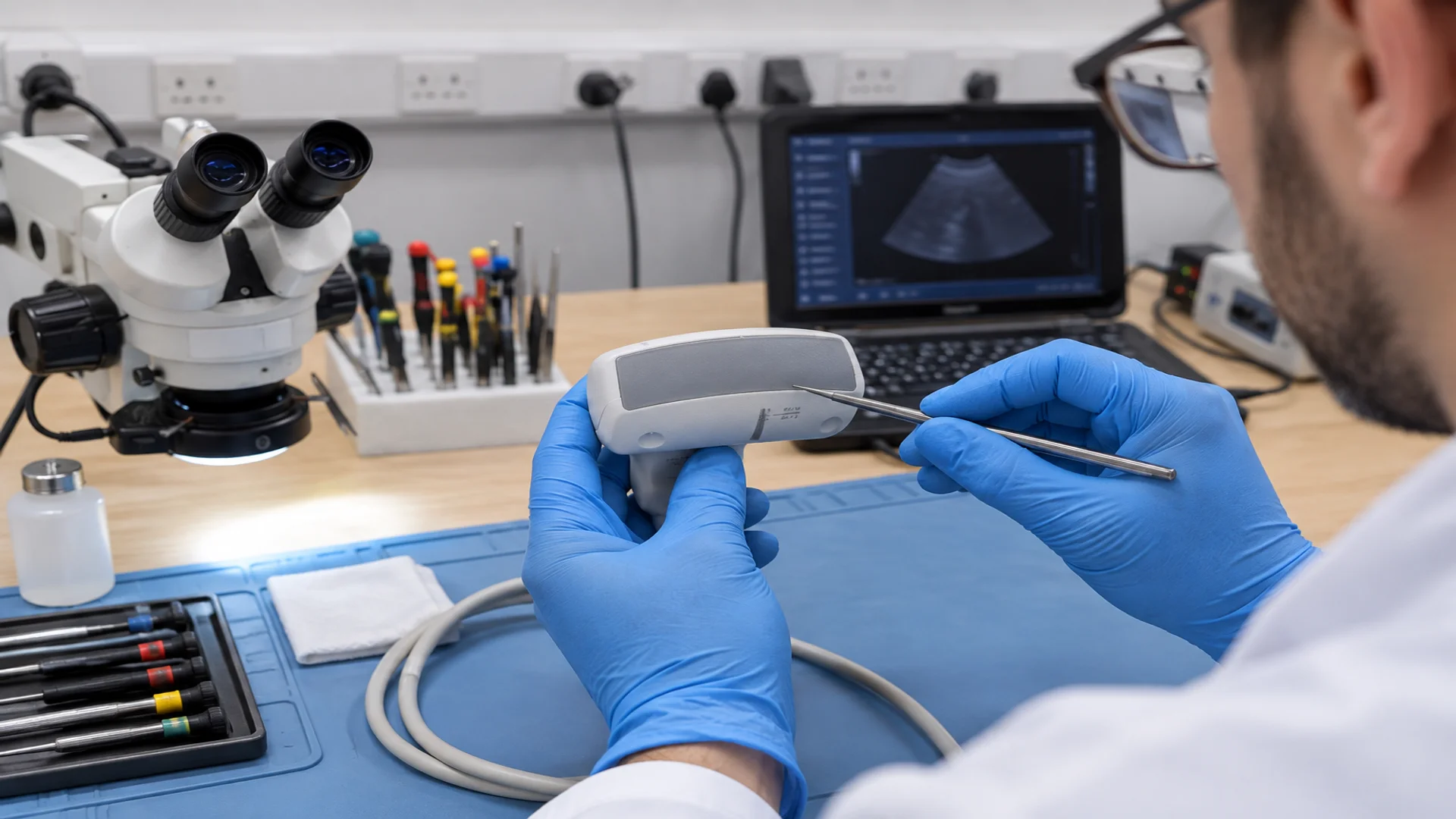
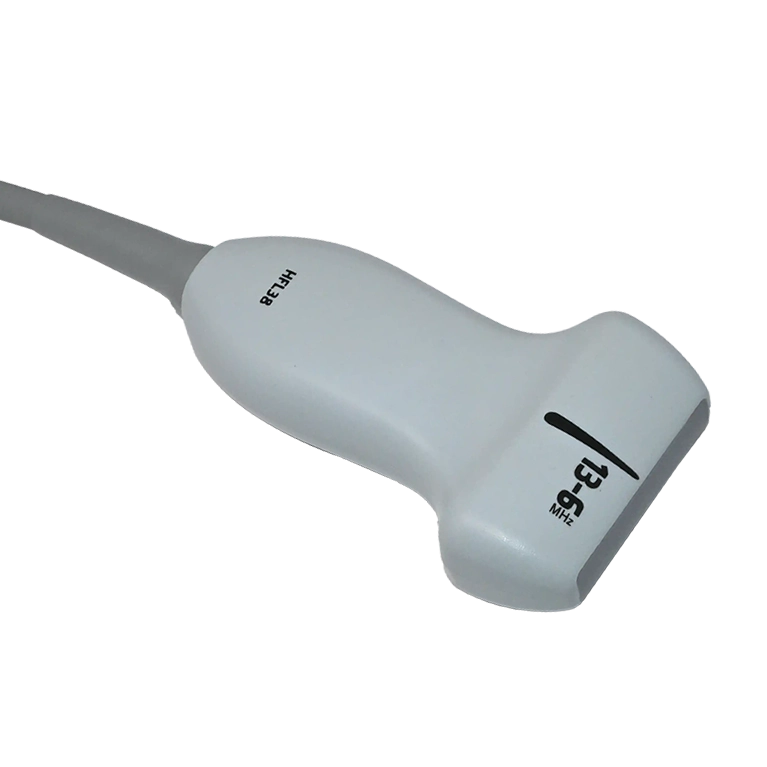
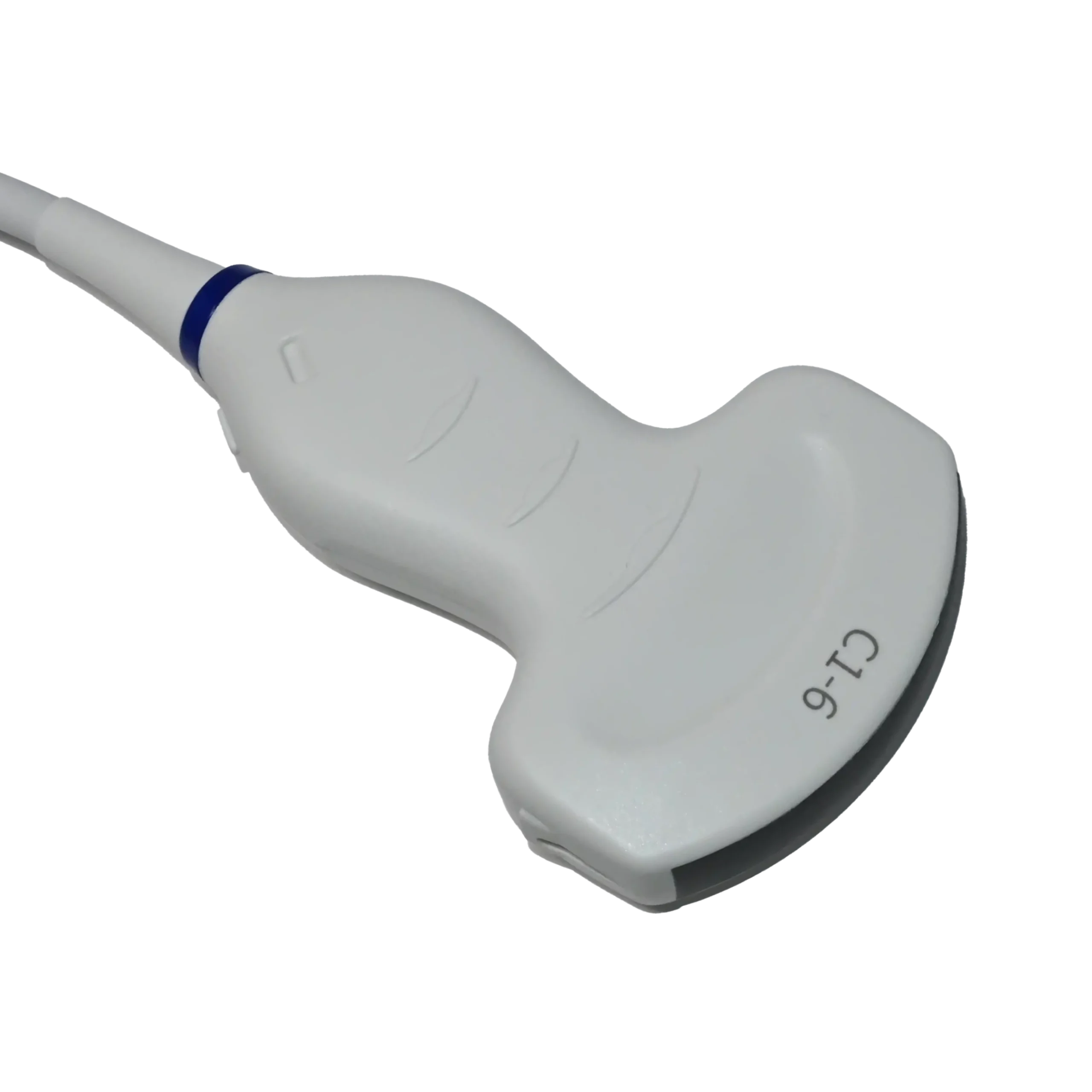
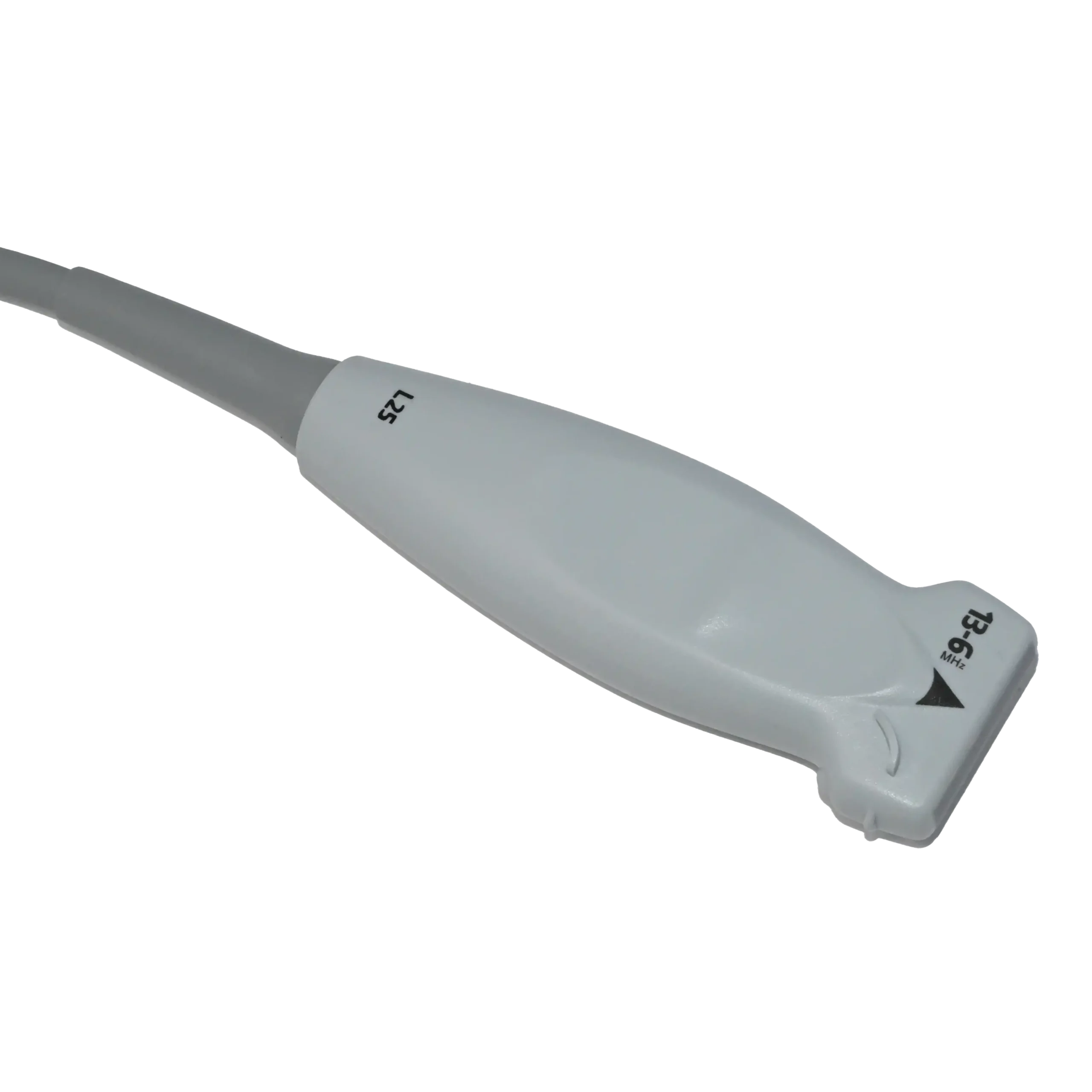
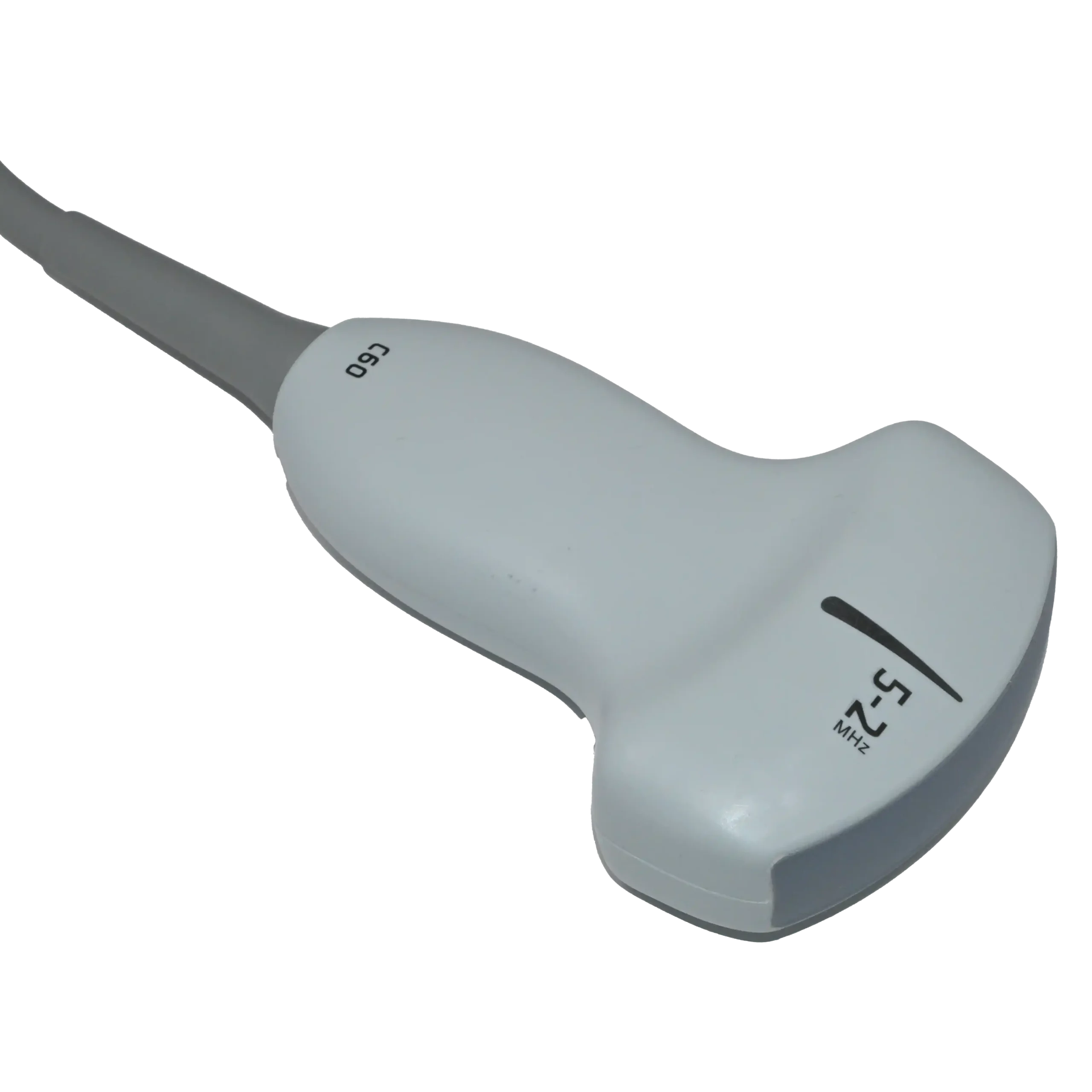
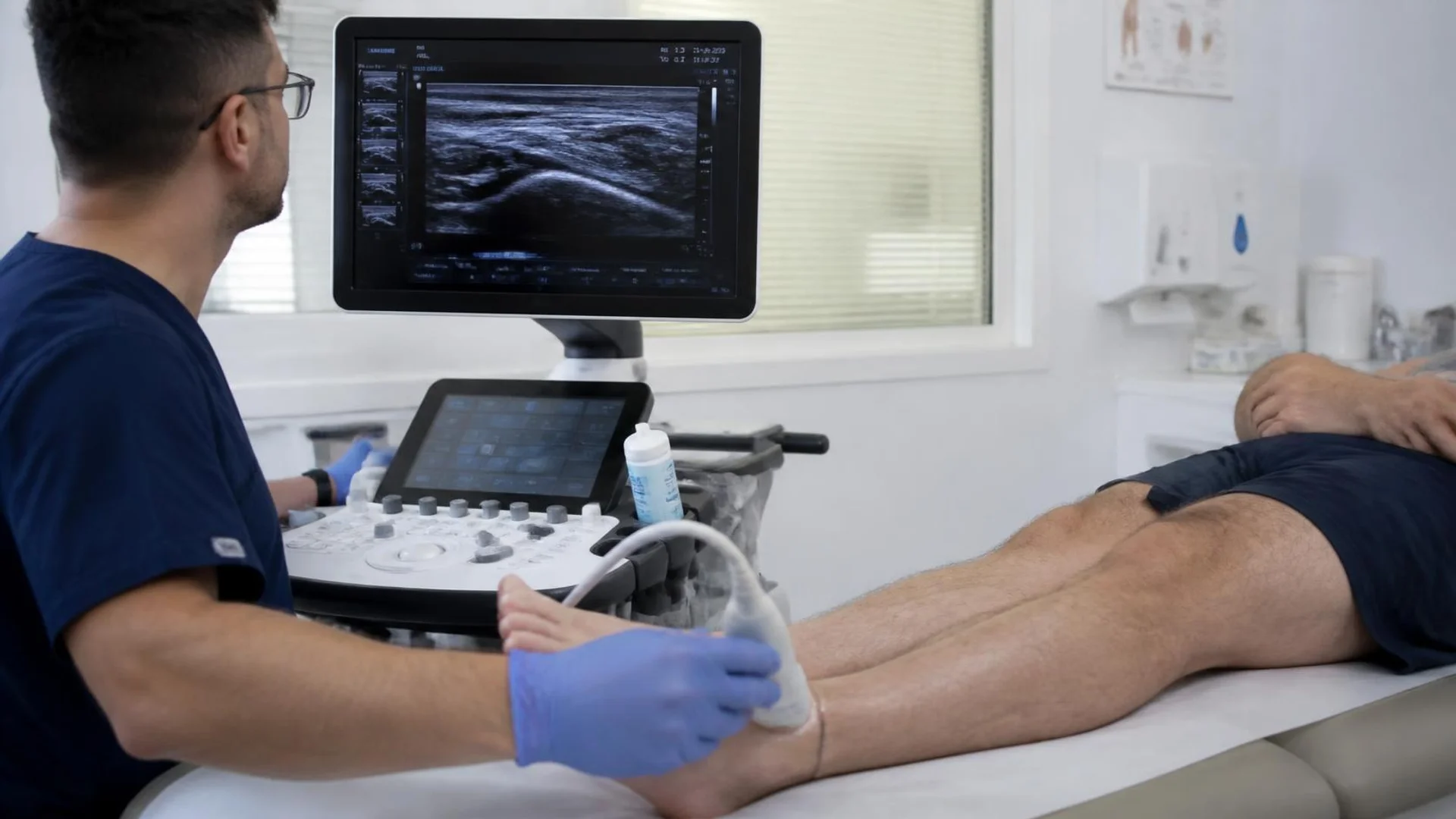
As mentioned above, ultrasound probes are core components of an imaging system and play an important role in both patient and ultrasound safety. Because they are handled repeatedly and used close to or in direct contact with patients, they can gradually wear or become damaged from drops, cable strain, improper storage, unsuitable cleaning methods, and everyday use. Regular ultrasound probe maintenance can help preserve reliable performance while reducing the likelihood of avoidable probe failure.
A few practical measures can make a meaningful difference:
- Keep the acoustic lens clean: Remove gel and residue according to the manufacturer’s instructions to maintain a clean scanning surface.
- Handle probes carefully: Avoid dropping, knocking, or placing unnecessary pressure on the transducer.
- Protect cables: Prevent excessive bending, twisting, pulling, or rolling equipment over probe cables.
- Inspect probes regularly: Check the lens, housing, cable, and connector for visible signs of wear or damage.
- Store probes properly: Use appropriate holders or storage systems that protect probes from impact and unnecessary strain.
These habits support safer, more dependable use and may help prevent damage from developing into larger problems. However, even with proper handling and maintenance, probes can still develop problems over time. Understanding common transducer failure causes and their warning signs can help clinical and biomedical teams recognize when a probe may need closer inspection, testing, or service.
Why Reliable Power and Battery Performance Matter in Ultrasound Safety
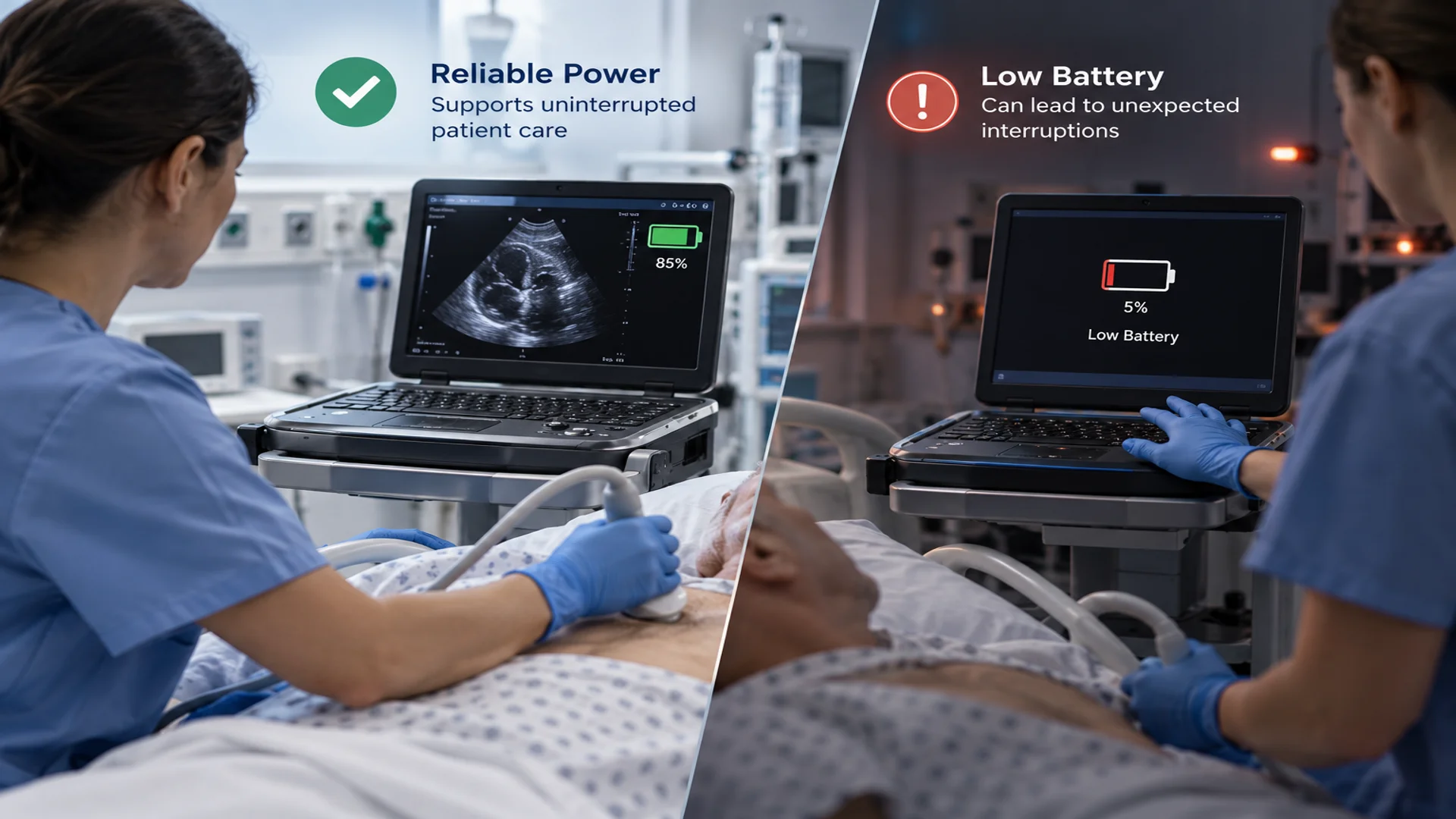
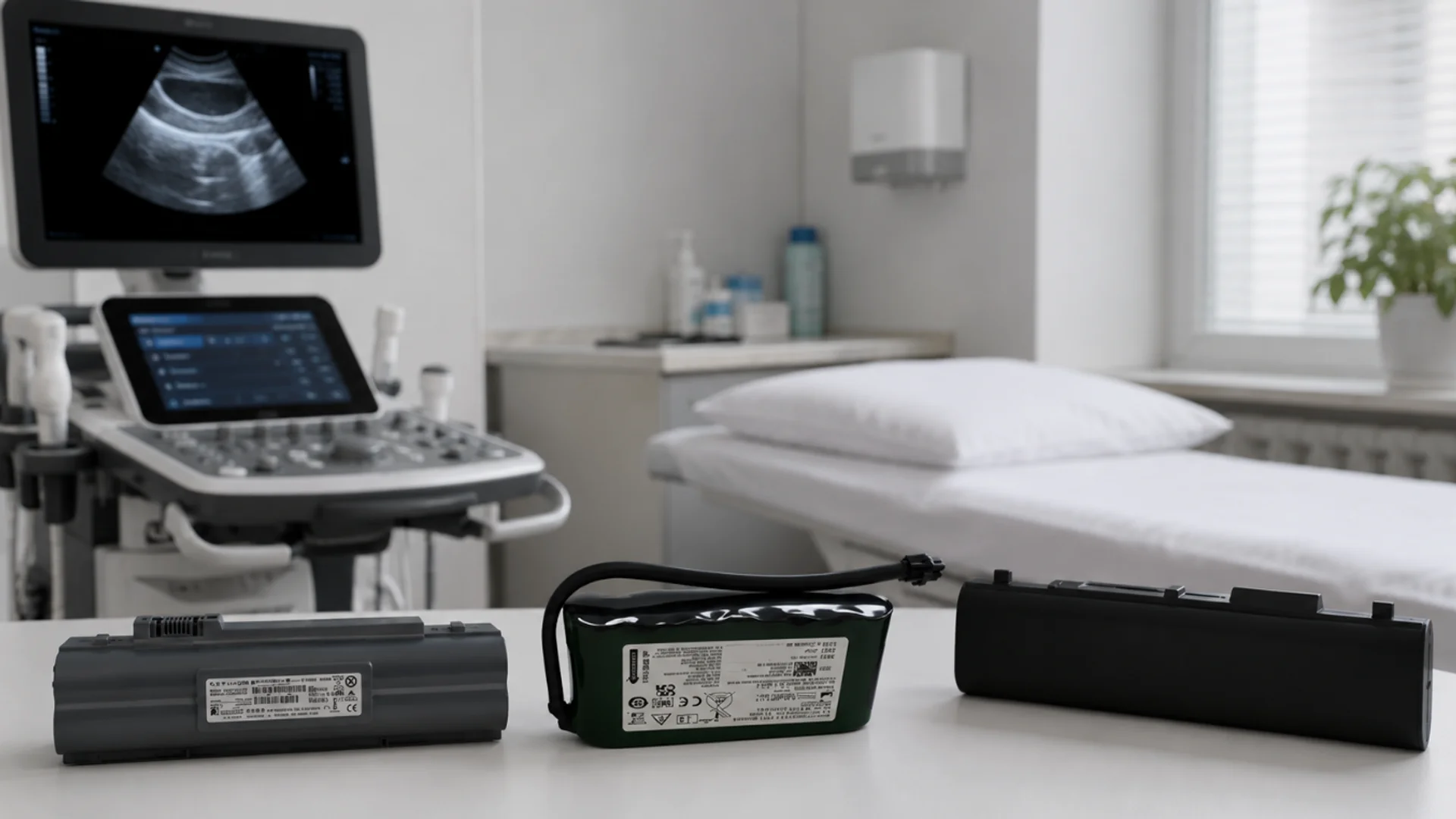
Battery performance is particularly important for portable ultrasound systems, which are often moved between rooms or brought directly to the patient’s bedside. In these situations, immediate access to a power outlet may be inconvenient or impractical. A dependable ultrasound battery allows clinicians to use the system away from a fixed power source while maintaining the mobility that makes portable ultrasound valuable in the first place.
Consider a clinician beginning a bedside examination when the system shows sufficient charge, only to shut down unexpectedly before the scan is completed. The clinician may need to find a power source, restart the system, or continue the examination using another unit. Although this does not necessarily harm the patient, such interruptions can delay imaging when timely information matters. Reliable battery performance therefore supports ultrasound safety and quality by keeping portable systems available when needed. Maintaining that reliability also depends on proper battery care, from appropriate charging and storage to other practices that can help portable ultrasound battery life.
How Transducer Testing Supports Patient and Ultrasound Safety

A transducer can look perfectly normal on the outside while performance problems are developing inside. Because the probe sends and receives the signals used to create an ultrasound image, weak or nonfunctioning elements can affect image quality and potentially make some findings more difficult to evaluate. Regular transducer testing is therefore an important part of ultrasound safety and quality assurance, while helping healthcare facilities confirm that probes continue to perform as expected and help increase patient safety.
Although visual inspection is useful for identifying obvious damage to the lens, housing, cable, or connector, it cannot reveal every internal or performance-related issue. This is where dedicated testing equipment, such as a smart transducer analyzer, becomes valuable.
The Elzhen 2200, for example, evaluates individual array elements to help identify weak or nonfunctioning elements and assess transducer performance. When testing is performed regularly, biomedical and clinical teams have more objective information about probe conditions instead of waiting for an obvious failure. This can support earlier intervention and better-informed decisions about whether a transducer should remain in service, undergo further evaluation or repair, or be replaced.
Who Is Responsible for Ultrasound Safety?
Maintaining patient and ultrasound safety is a shared responsibility. From daily clinical use to quality control, technical evaluation, and servicing, several professionals can contribute to keeping ultrasound systems reliable and appropriate for patient care.
Sonographers and Clinicians
As daily users of ultrasound equipment systems, sonographers and clinicians are often among the first to notice unusual artifacts, physical damage, inconsistent controls, or changes in system performance.
Reporting these issues promptly allows the equipment to be evaluated and appropriate action to be taken when necessary.
Ultrasound Directors and Supervising Physicians
Ultrasound directors and supervising physicians provide clinical oversight and can play an important role in establishing appropriate quality assurance procedures. This may include reviewing equipment-related concerns, assessing their potential impact on clinical imaging, and helping ensure that ultrasound systems provide image quality suitable for their intended use.
By addressing equipment and imaging-quality concerns, they also help support patient safety and reliable clinical decision-making.
Biomedical and Service Professionals
Biomedical engineers and qualified service professionals may investigate equipment faults, perform maintenance or repairs, and carry out technical evaluations when equipment problems are identified. Their work helps address technical issues and supports appropriate equipment performance in clinical use.
Medical Physicists and Quality-Control Personnel
Qualified medical physicists and other appropriately trained personnel may assess ultrasound systems and transducers as part of a quality-control program. These evaluations can identify changes in equipment performance that may not be noticeable during routine clinical use, helping maintain consistent imaging quality and support patient and ultrasound safety.
Together, these roles create a more comprehensive approach to patient safety in ultrasound equipment use, connecting everyday observations with quality control, technical evaluation, and appropriate corrective action.
How Elzhen Supports Ultrasound Safety and Patient Care
Elzhen supports ultrasound safety and quality in medical imaging by providing equipment and solutions designed to help healthcare facilities maintain reliable ultrasound performance. This includes professionally tested refurbished ultrasound machines and transducers from leading manufacturers, the Elzhen 2200 smart transducer analyzer for evaluating probe performance, and new replacement batteries for portable ultrasound systems and other medical equipment, including defibrillators and life-support systems.
By combining access to tested imaging equipment with tools for transducer assessment and dependable replacement components, Elzhen addresses several areas that contribute to equipment quality throughout its clinical life. These solutions can help healthcare and biomedical teams identify performance concerns, keep essential equipment ready for use, and make more informed decisions about equipment condition. In this way, Elzhen contributes to the quality and reliability of medical imaging technology while supporting the broader goal of safer and more dependable patient care.