Breast cancer remains a major global health challenge, causing an estimated 694,000 deaths worldwide in 2024, according to figures released by the World Health Organization (WHO) in 2026.
Recognizing potential breast cancer signs and symptoms can improve treatment outcomes and increase the chances of survival. That’s why this article explores the key warning signs, from early to advanced symptoms and differences in presentation between women and men. It also explains how breast cancer is detected and when to seek medical advice.
The medical information and recommendations presented are based on reliable sources, including the WHO, the National Cancer Institute (NCI), and the American Cancer Society (ACS).
General Breast Cancer Signs and Symptoms
Early detection and timely diagnosis can improve breast cancer outcomes. According to the World Health Organization (WHO), five-year breast cancer survival rates exceed 90% in high-income countries.
Recognizing potential warning signs and seeking medical advice when you notice unusual changes are important steps toward early diagnosis. Although many breast changes are caused by conditions other than cancer, it is important to have new or persistent changes assessed by a healthcare professional.
Below, we explain the general signs and symptoms of breast cancer, what they may look like, and when to seek medical advice.
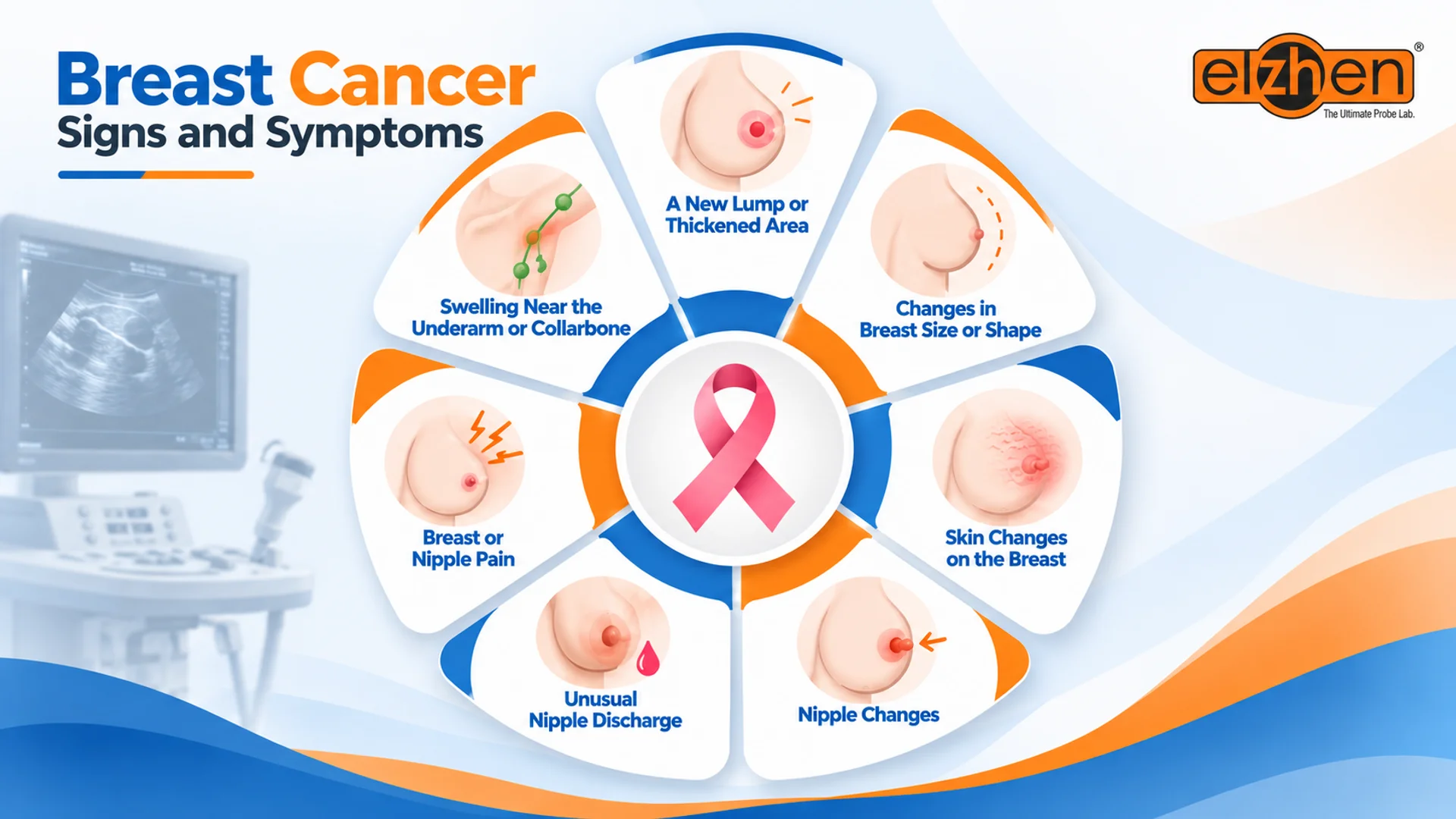
A New Lump or Thickened Area
One of the most recognized breast cancer signs and symptoms is a new lump or firm area in the breast or underarm. Some lumps are painless, and their size or texture alone cannot determine whether they are cancerous.
Changes in Breast Size or Shape
An unexplained change in the size, contour, or overall shape of one breast can also signal a potential problem. Swelling may affect the entire breast or only part of it, even when no distinct lump can be felt.
Skin Changes on the Breast
Breast skin appearance and texture may offer important clues, including new dimpling, puckering, thickening, or an orange-peel texture. Redness, darkening, scaling, or persistent irritation may also be concerning, particularly when these changes are new or affect one area.
Nipple Changes
Nipple changes deserve attention, especially if a nipple becomes newly inverted, changes direction, or looks different from its usual appearance. A new change is generally more concerning than a long-standing feature.
Unusual Nipple Discharge
Unexpected nipple discharge can be a warning sign, particularly if it occurs without squeezing or contains blood. Although discharge has several possible noncancerous causes, spontaneous or bloody discharge should be assessed by a healthcare professional.
Breast or Nipple Pain
Breast pain is commonly caused by conditions other than cancer and is not usually the only presenting symptom. However, persistent or unexplained pain, especially when accompanied by other breast changes, should be discussed with a healthcare professional.
Swelling Near the Underarm or Collarbone
Last but not least, a new lump or swelling near the underarm or collarbone may indicate enlarged lymph nodes, which can sometimes be associated with breast cancer signs and symptoms. Infections and other conditions can also cause this swelling, so unexplained or persistent changes need medical evaluation.
Breast Cancer Signs and Symptoms in Early Stages
In the previous section, we covered the general signs and symptoms of breast cancer. However, the symptoms a person experiences can vary based on the stage of the cancer, and some breast cancers cause no noticeable changes in their early stages.
Among the signs discussed above, common early warning signs include:
- A new lump or thickened area
- Nipple changes
- Skin changes
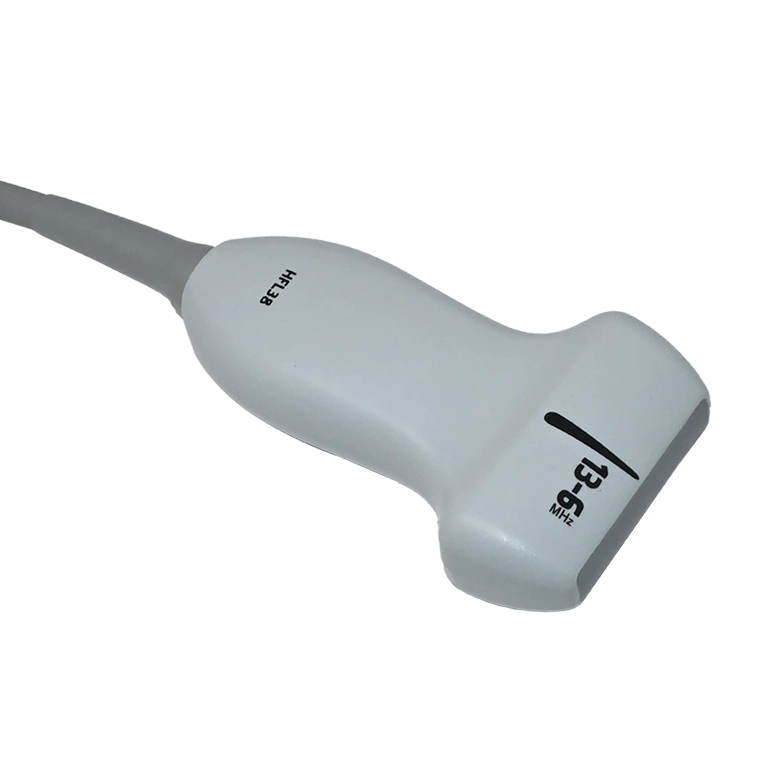
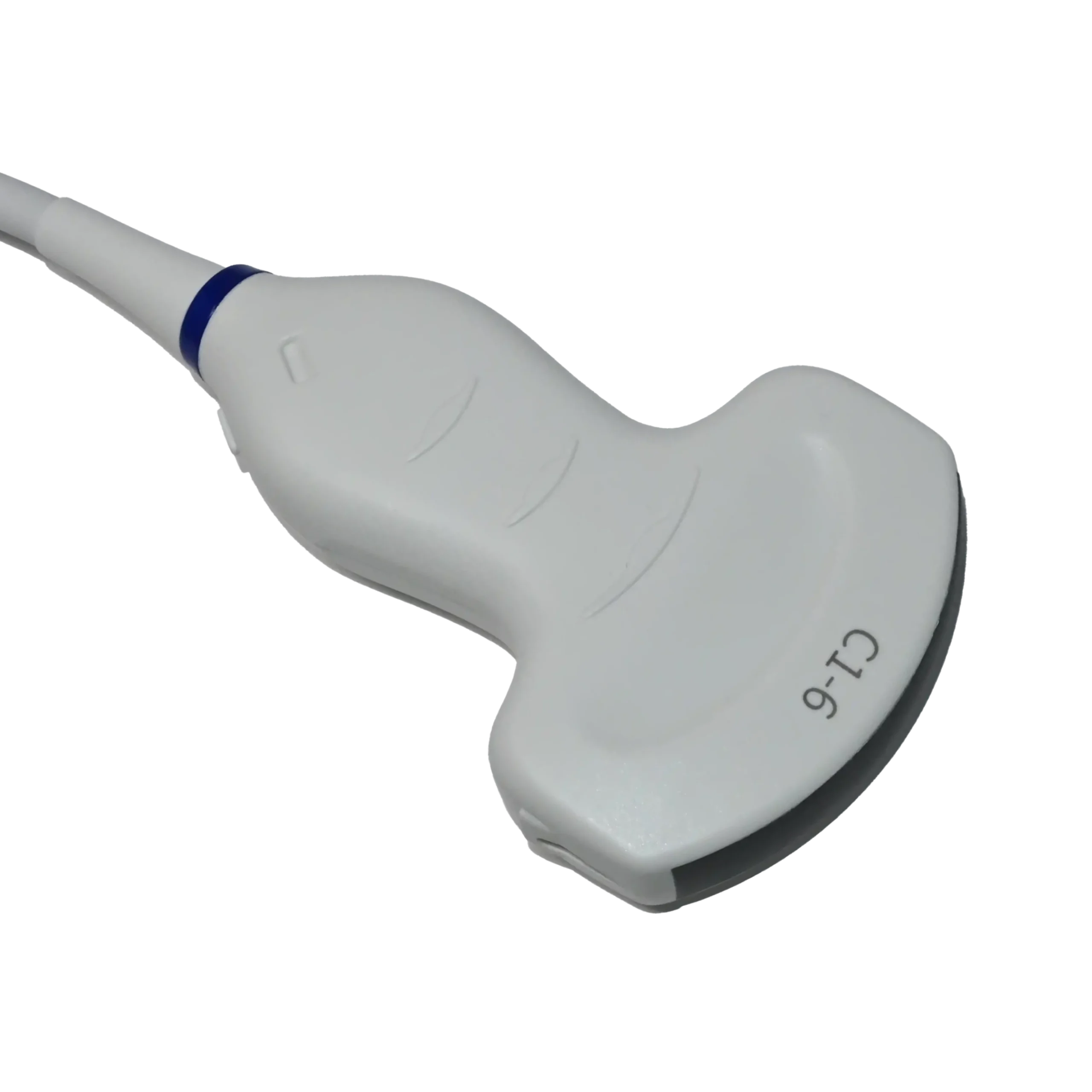
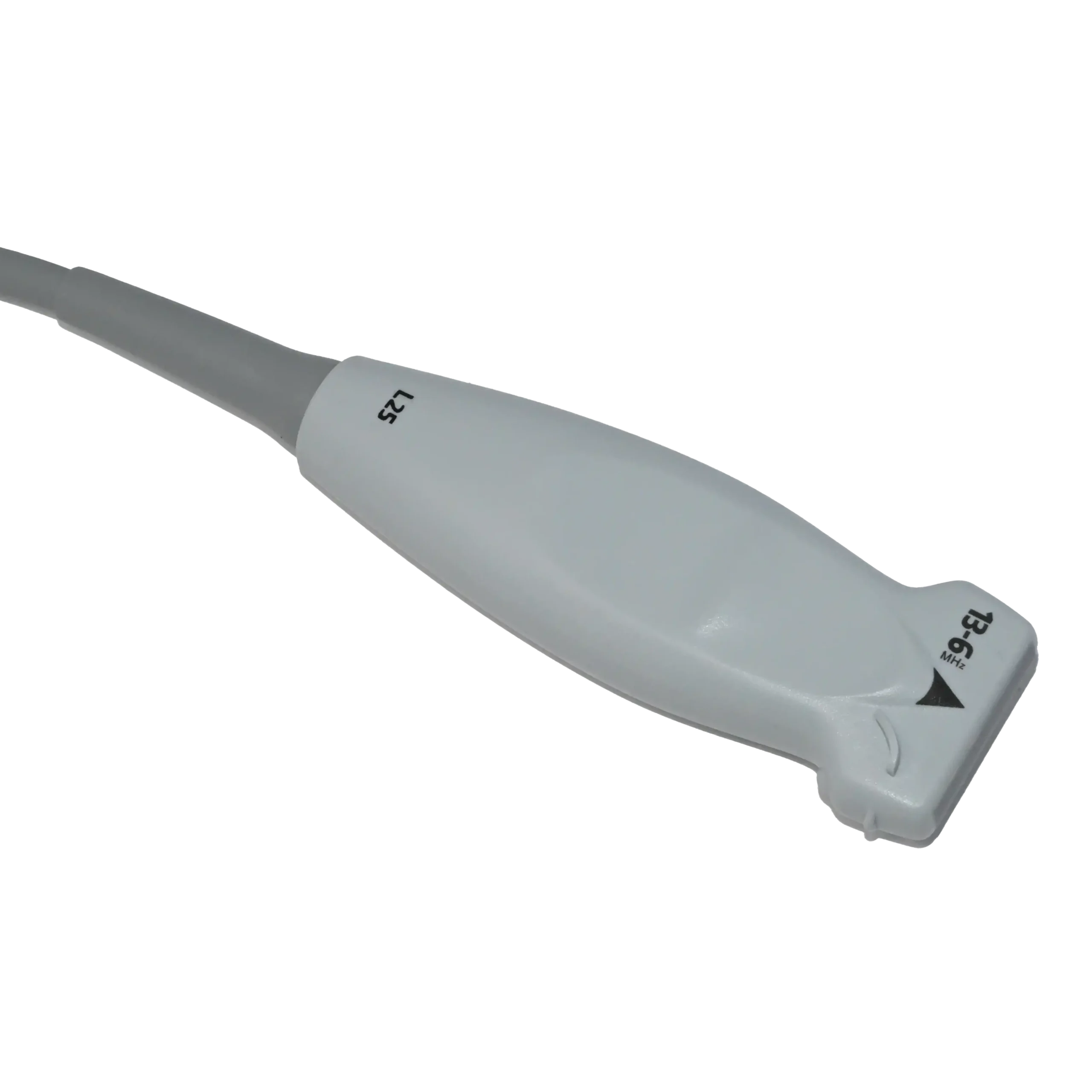
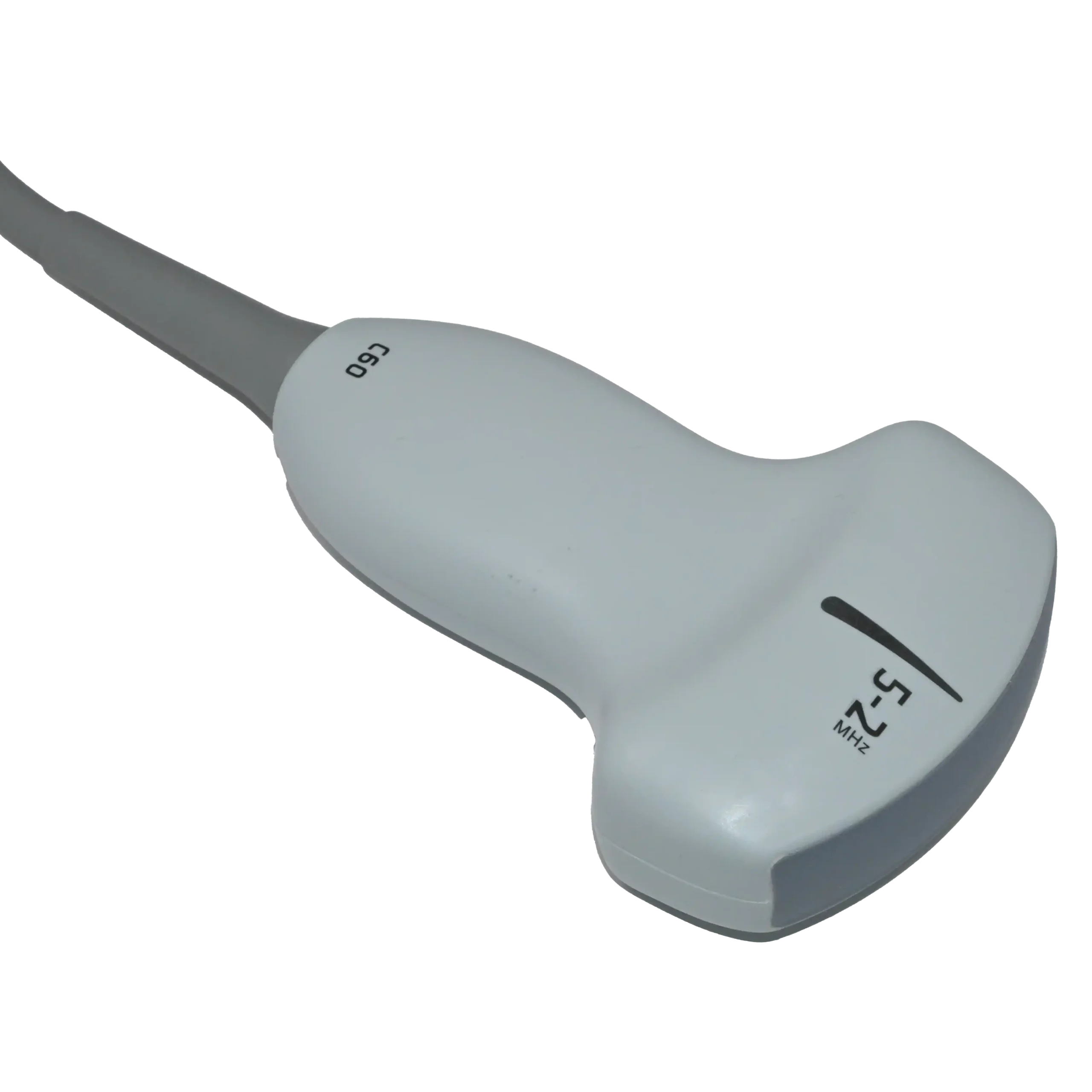
These signs are not exclusive to early-stage breast cancer, and some cancers may cause no noticeable symptoms. Recognizing new breast changes and following recommended screening guidelines are both important for early detection. If a healthcare professional identifies a suspicious change, further assessment may include imaging tests such as breast ultrasound, performed with appropriate equipment, including suitable ultrasound transducers, which we’ll take a closer look at along with other approaches.
Advanced and Metastatic Breast Cancer Signs and Symptoms
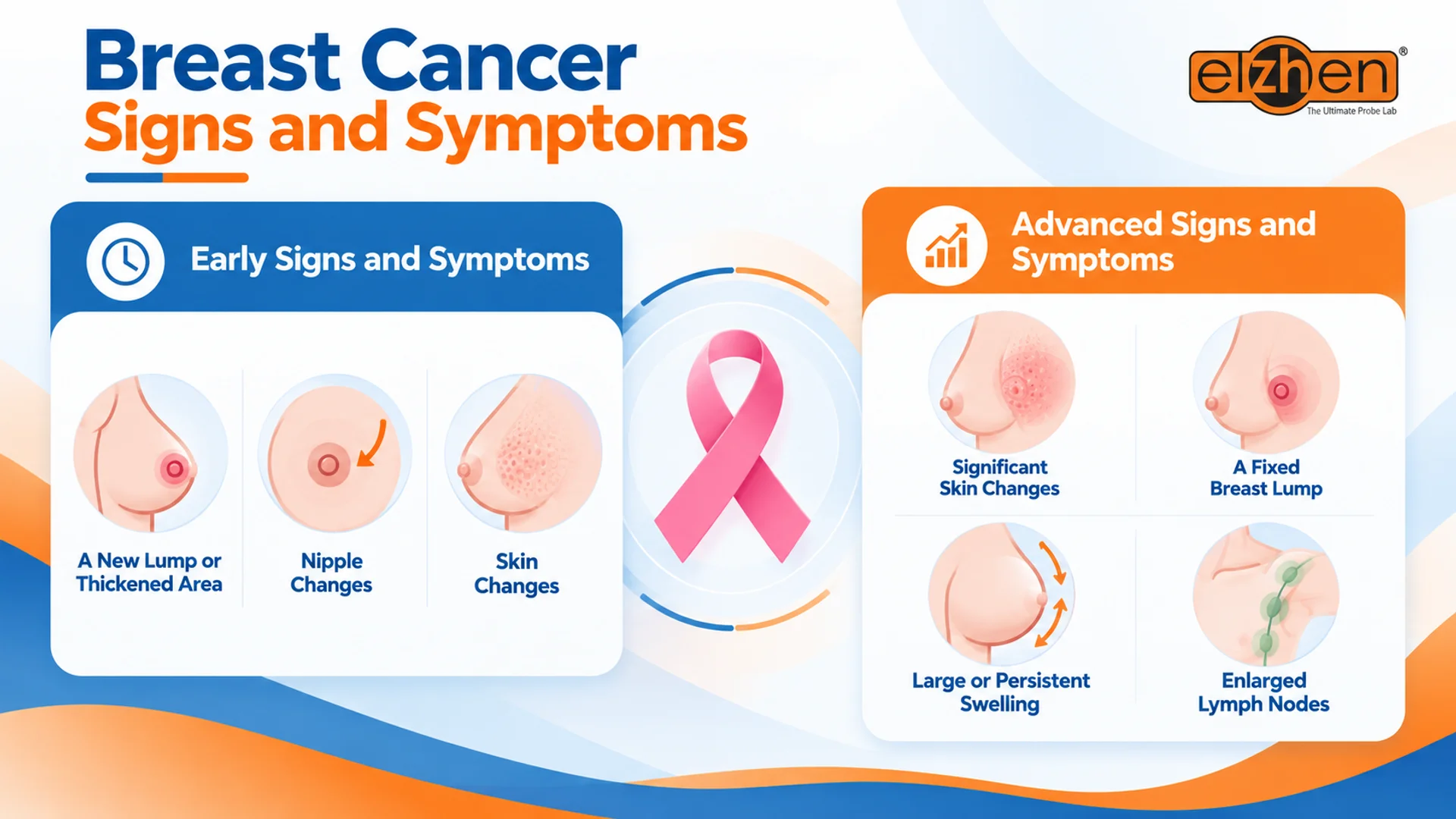
Advanced breast cancer can refer to locally advanced disease or metastatic breast cancer. Locally advanced breast cancer has spread to nearby tissues or regional lymph nodes but not to distant parts of the body. Depending on the extent of the disease, signs may include:
- Significant breast skin changes: Thickening, pronounced dimpling, or ulceration of the skin.
- A fixed breast lump: A lump that feels attached to the underlying chest wall.
- A large or persistent swelling: Noticeable enlargement or swelling of the breast.
- Enlarged lymph nodes: A lump in the underarm or near the collarbone.
When breast cancer spreads to distant organs, it is called metastatic breast cancer, or stage IV breast cancer. Symptoms then depend on which organs are affected and may include bone pain, shortness of breath, jaundice, or neurological changes.
These symptoms can also result from conditions unrelated to cancer and do not necessarily indicate metastasis. However, persistent, unexplained, or worsening symptoms should be assessed by a healthcare professional, particularly in people with a history of breast cancer.
Do Breast Cancer Signs and Symptoms Differ by Age or Sex?
Breast cancer signs and symptoms can vary by age and sex, although many warning signs are similar in women and men. While breast cancer is much more common in women, men can also develop the disease and should not ignore unusual breast changes.
Breast Cancer Signs and Symptoms in Women
Common warning signs in women include a new lump or thickened area in the breast or underarm, changes in breast size or shape, skin dimpling or discoloration, a newly inverted nipple, and unusual nipple discharge.
Breast Cancer Signs and Symptoms in Men
In men, breast cancer may present as a lump or thickened area near the nipple, nipple retraction, fluid or blood discharge from the nipple, or skin changes such as dimpling, redness, or scaling. Swelling near the underarm or collarbone may also occur. Because men may not expect to develop breast cancer, these changes can be overlooked; therefore, any new or persistent breast symptoms should be evaluated by a healthcare professional.
Inflammatory Breast Cancer Signs and Symptoms
Inflammatory breast cancer (IBC) is a rare, aggressive type of breast cancer that causes inflammation-like changes in the breast. It is much more common in women, although men can also develop breast cancer. Unlike more typical breast cancer presentations, IBC often develops rapidly and may not cause a distinct lump, making its symptoms particularly important to recognize.
Common inflammatory breast cancer signs and symptoms include:
- Redness or skin discoloration
- Rapid breast swelling
- Thickened or dimpled skin
- Warmth, tenderness, or burning
- Nipple changes
- Swollen lymph nodes
The main difference between inflammatory breast cancer and other forms of breast cancer is its rapid development and prominent skin changes. It occurs when cancer cells block lymph vessels in the breast skin, causing swelling and discoloration rather than a distinct lump. Because these symptoms can resemble a breast infection, a healthcare professional should promptly assess any rapid or unexplained breast changes.
How Are Breast Cancer Signs and Symptoms Detected?
Now that we’ve covered the breast cancer signs and symptoms across different ages, sexes, and stages of the disease, some important questions remain: How are these changes detected, and can breast cancer be detected before any signs or symptoms appear?
The answer depends on the situation, including whether you’ve noticed a change, your individual risk factors, and whether you’re undergoing routine screening or further investigation.
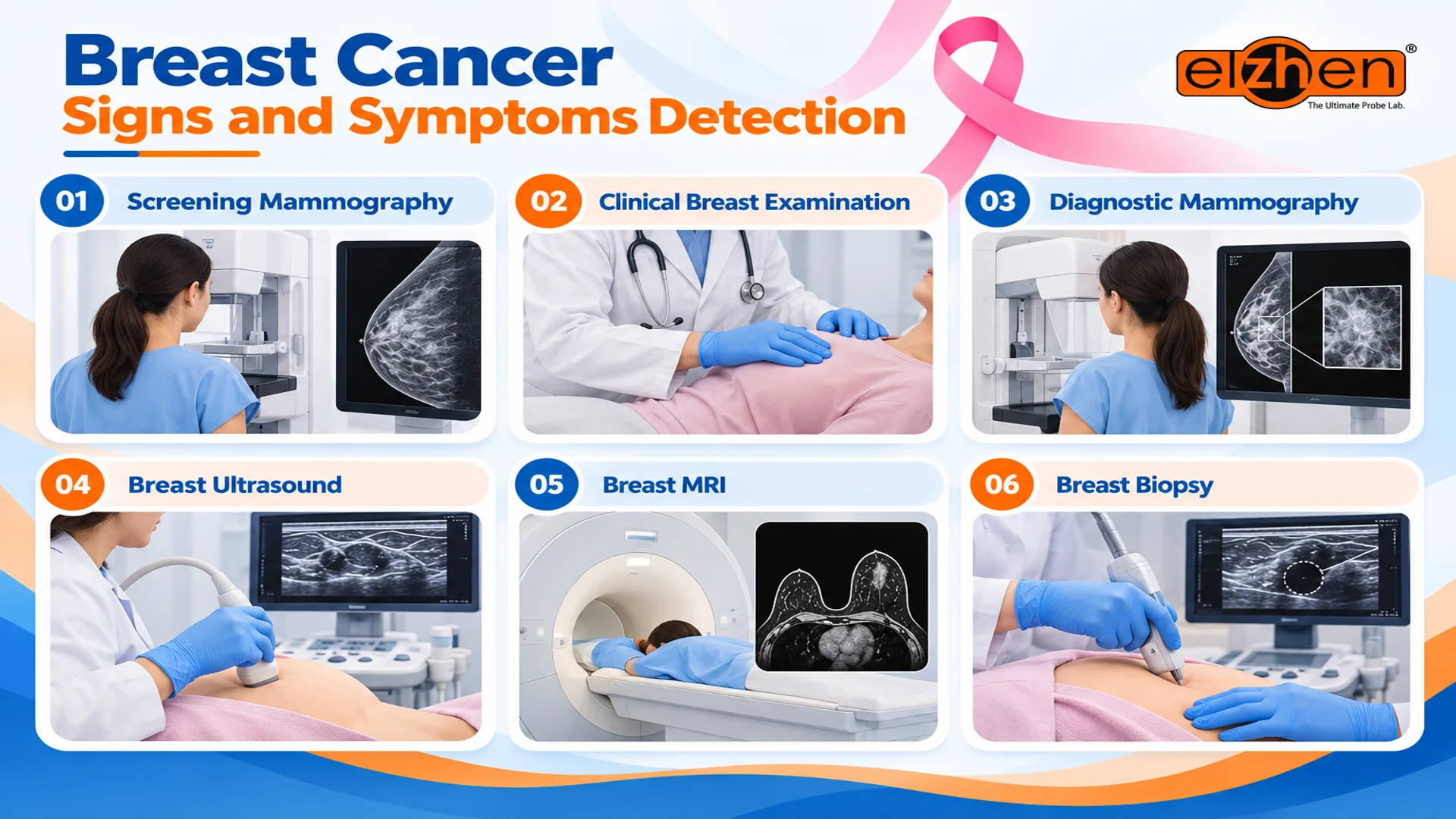
Let’s look at the main methods healthcare professionals use, including clinical breast examinations, mammography, the use of breast ultrasound probes and machines, MRI, and biopsy.
Here are the main methods healthcare professionals use.
1. Screening Mammography
Breast cancer can sometimes be detected before symptoms appear. According to the World Health Organization (WHO), organized mammography screening is recommended for women aged 50–69 in well-resourced settings when the necessary healthcare conditions are met. Mammography can identify suspicious changes before they become noticeable.
2. Clinical Breast Examination
If you notice a breast change, a healthcare professional may examine your breasts and nearby lymph nodes for unusual lumps or other abnormalities. The National Cancer Institute (NCI) describes clinical breast examination as part of the assessment used to investigate possible breast cancer. However, the American Cancer Society (ACS) does not recommend it as a routine screening test for women at average risk.
3. Breast Ultrasound
Breast ultrasound is commonly used to assess suspicious breast findings. According to the American College of Radiology (ACR), breast ultrasound examinations should use high-resolution, real-time linear-array equipment, with transducers operating at a center frequency of at least 12 MHz and preferably higher. A suitable linear ultrasound probe is therefore commonly used to examine breast tissue and produce detailed images of superficial structures.
4. Diagnostic Mammography
When a lump or another suspicious change is found, diagnostic mammography provides more detailed X-ray images of the area. According to the NCI, it also investigates abnormalities identified during screening mammography and helps determine whether further testing is needed.
5. Breast MRI
For people at increased risk of breast cancer, MRI may provide additional screening information alongside mammography. The ACS recommends annual breast MRI in addition to mammography for women at high risk, such as those with a lifetime risk of approximately 20–25% or greater based on appropriate risk assessment. MRI is not routinely recommended for everyone.
6. Breast Biopsy
When imaging reveals a suspicious abnormality, a biopsy may be needed to determine whether cancer is present. According to the NCI, a biopsy involves collecting cells or tissue for examination by a pathologist and is the only sure way to diagnose breast cancer.
When to Get Checked for Breast Cancer

Recognizing the breast cancer signs and symptoms is important, but knowing when to seek medical advice is just as essential. The right time to get checked depends on your age, personal risk factors, and whether you have noticed any unusual changes.
- Women at average risk: According to the American Cancer Society (ACS), women can choose to begin annual mammograms at age 40. Annual screening is recommended from ages 45 to 54; from age 55, women can switch to mammograms every two years or continue annually.
- Men: Routine breast cancer screening is not generally recommended for men at average risk. Those with a strong family history or inherited risk factors, such as a BRCA gene variant, should discuss an individualized screening plan with a healthcare professional.
- If you are younger than the recommended screening age: Do not wait until you reach a certain age if you notice an unusual breast change; seek medical advice promptly.
- If you have a family history of breast cancer: Talk with a healthcare professional about your personal risk and whether earlier or additional screening is appropriate.
Remember: Screening recommendations vary by country and individual risk. If you notice an unusual change, arrange an assessment rather than waiting for your routine screening appointment.
Conclusion
Understanding the breast cancer signs and symptoms can help you recognize unusual changes and seek medical advice promptly. As discussed in this article, key changes to watch for include a new lump, changes in breast size or shape, skin dimpling or redness, nipple changes, and unusual discharge.
However, these changes do not necessarily indicate breast cancer, as many can result from benign conditions. If you notice anything unusual, consult a healthcare professional for proper evaluation rather than waiting for further symptoms to develop.
At Elzhen, we support medical imaging by providing refurbished ultrasound systems and probes to healthcare professionals. By improving access to diagnostic equipment, we aim to support breast cancer detection and care, help reduce breast cancer deaths, and help people worldwide live healthier lives.